
Pickering Oshawa
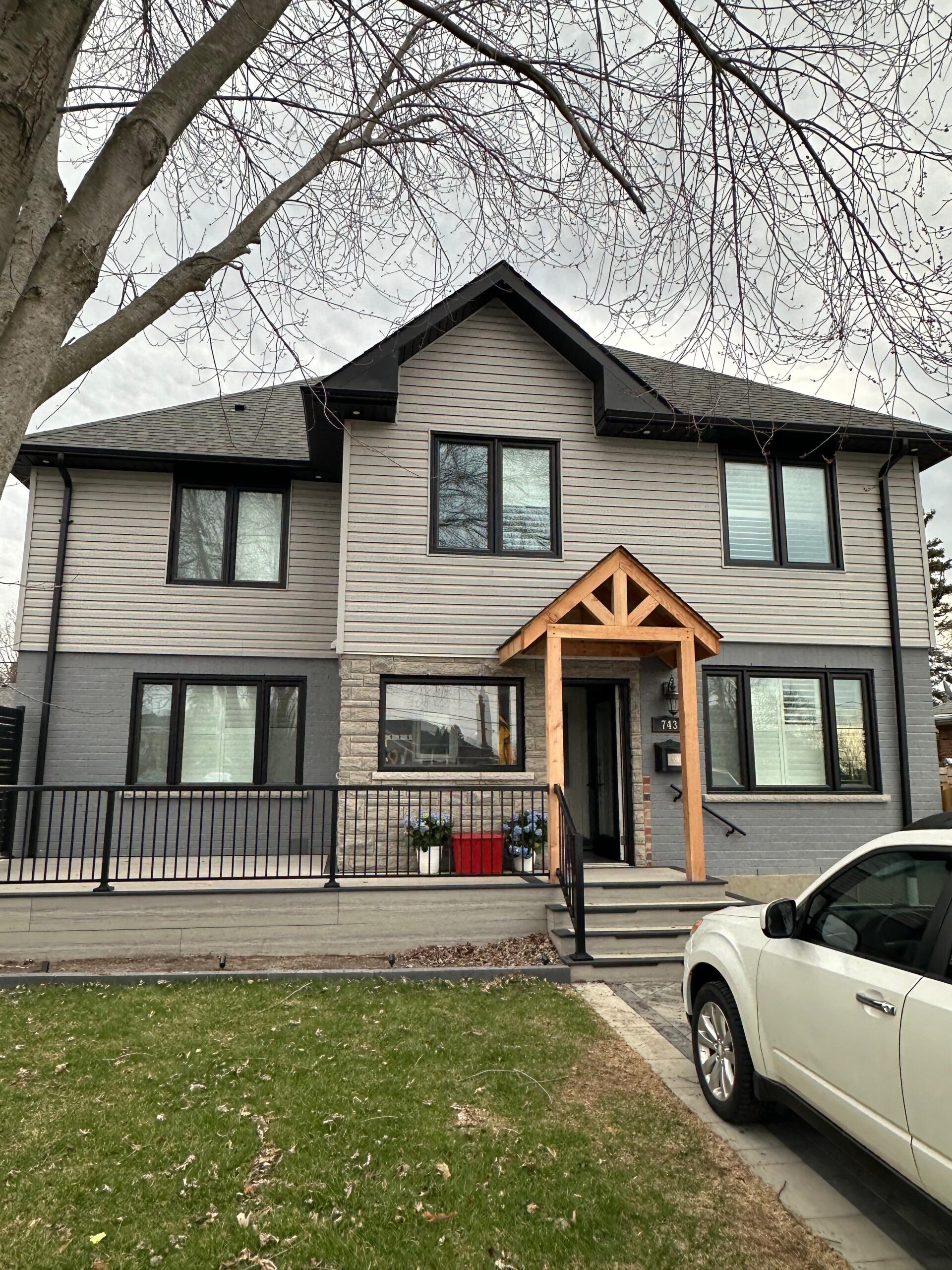
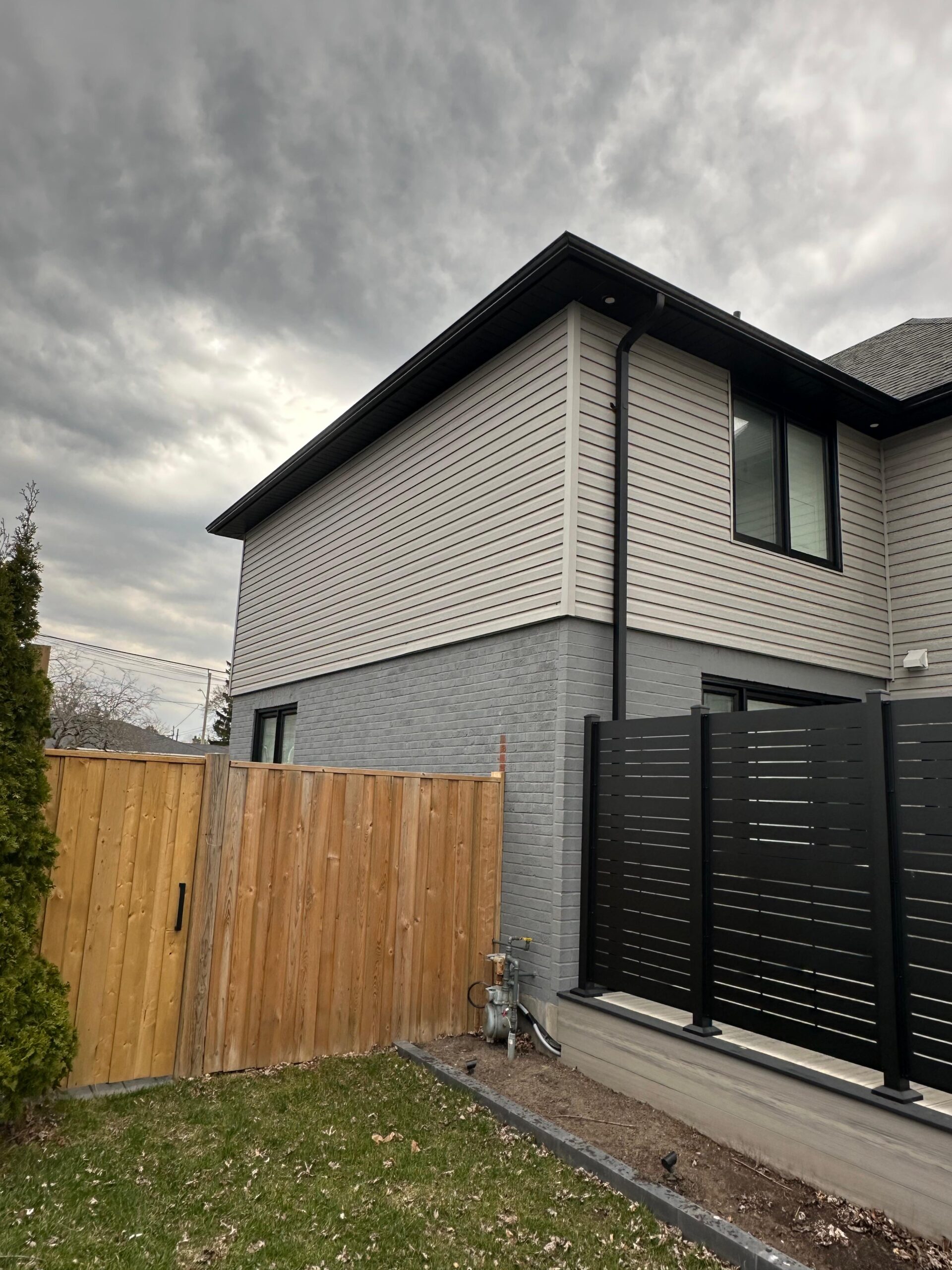
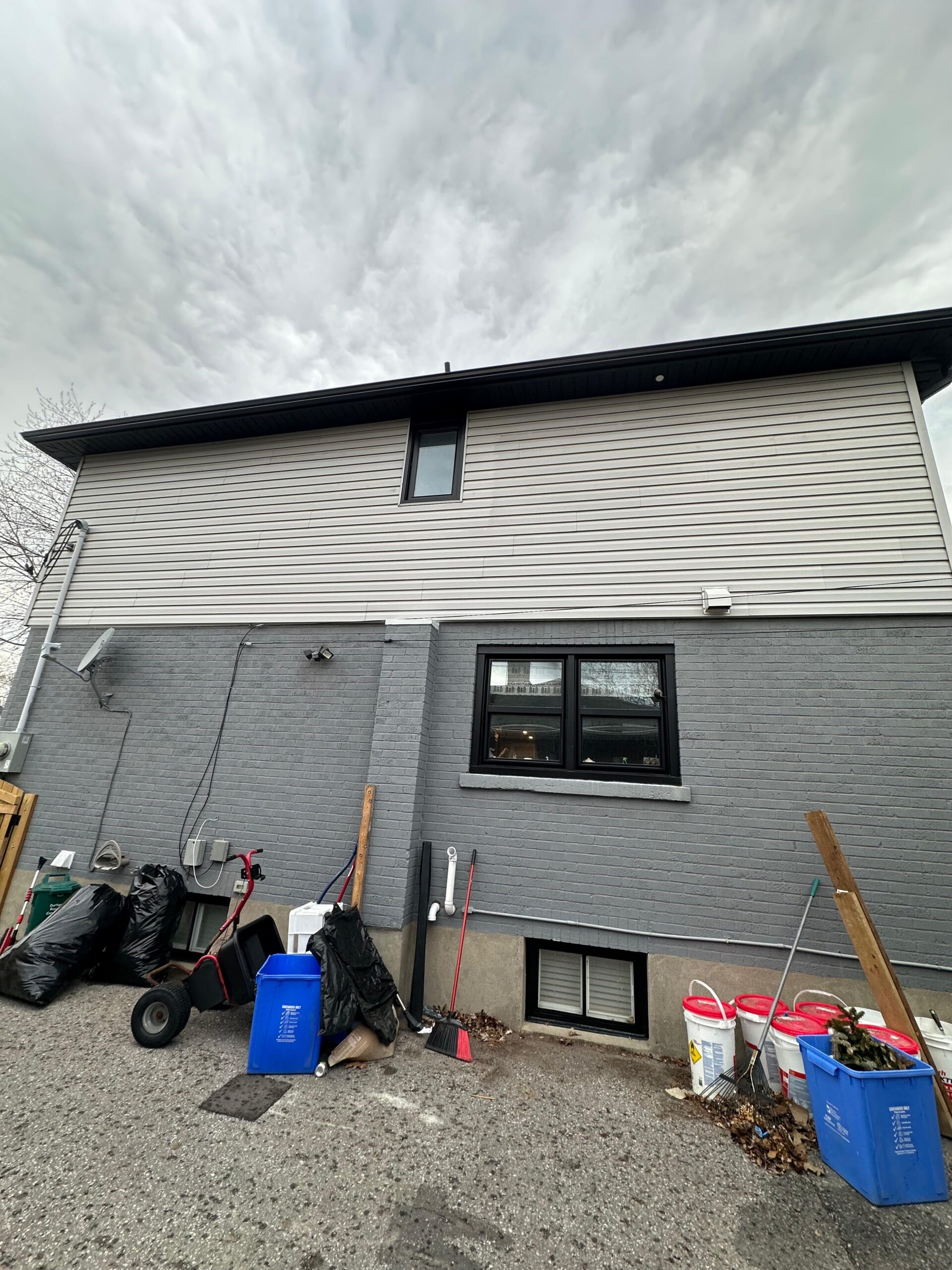
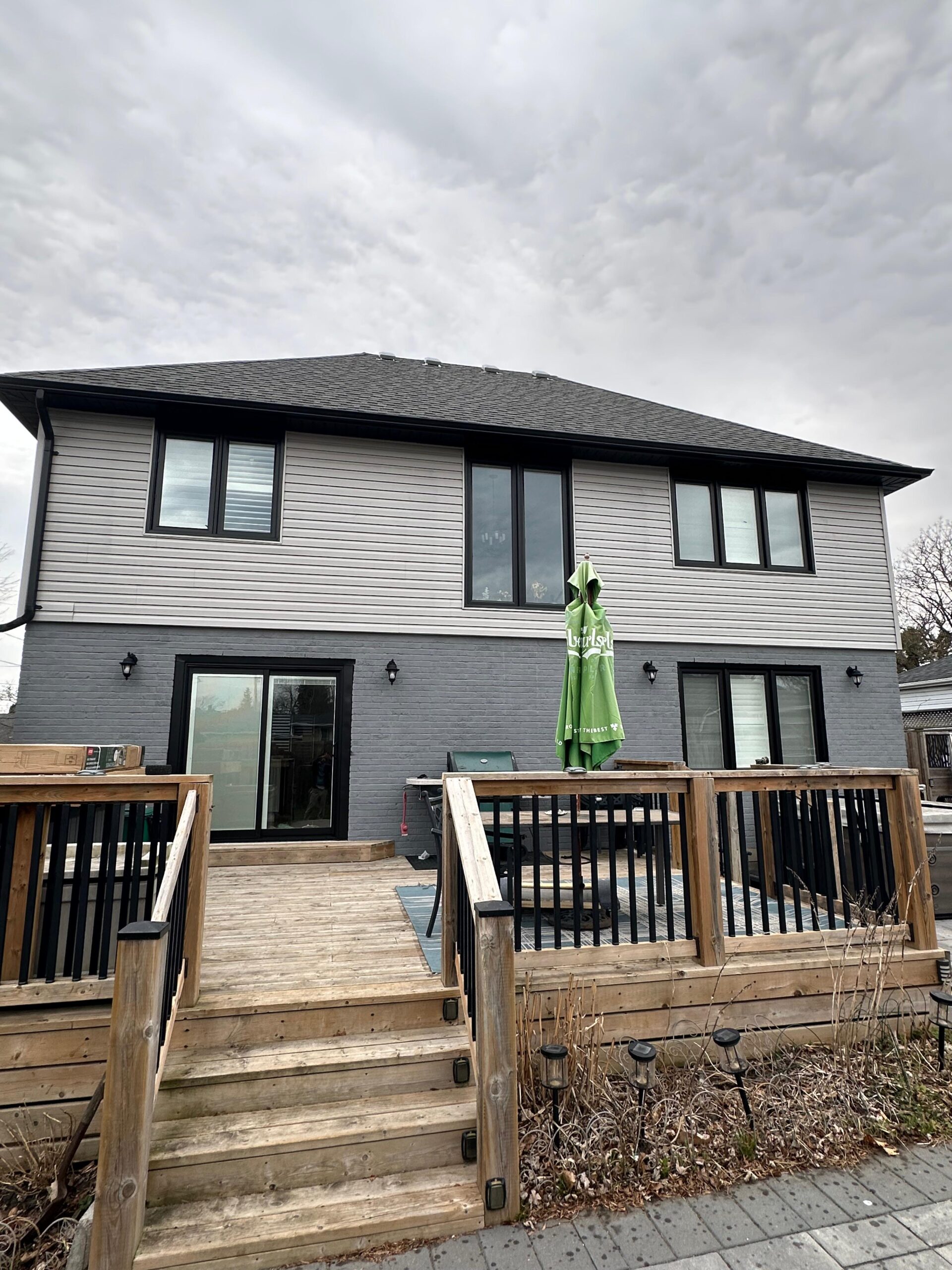
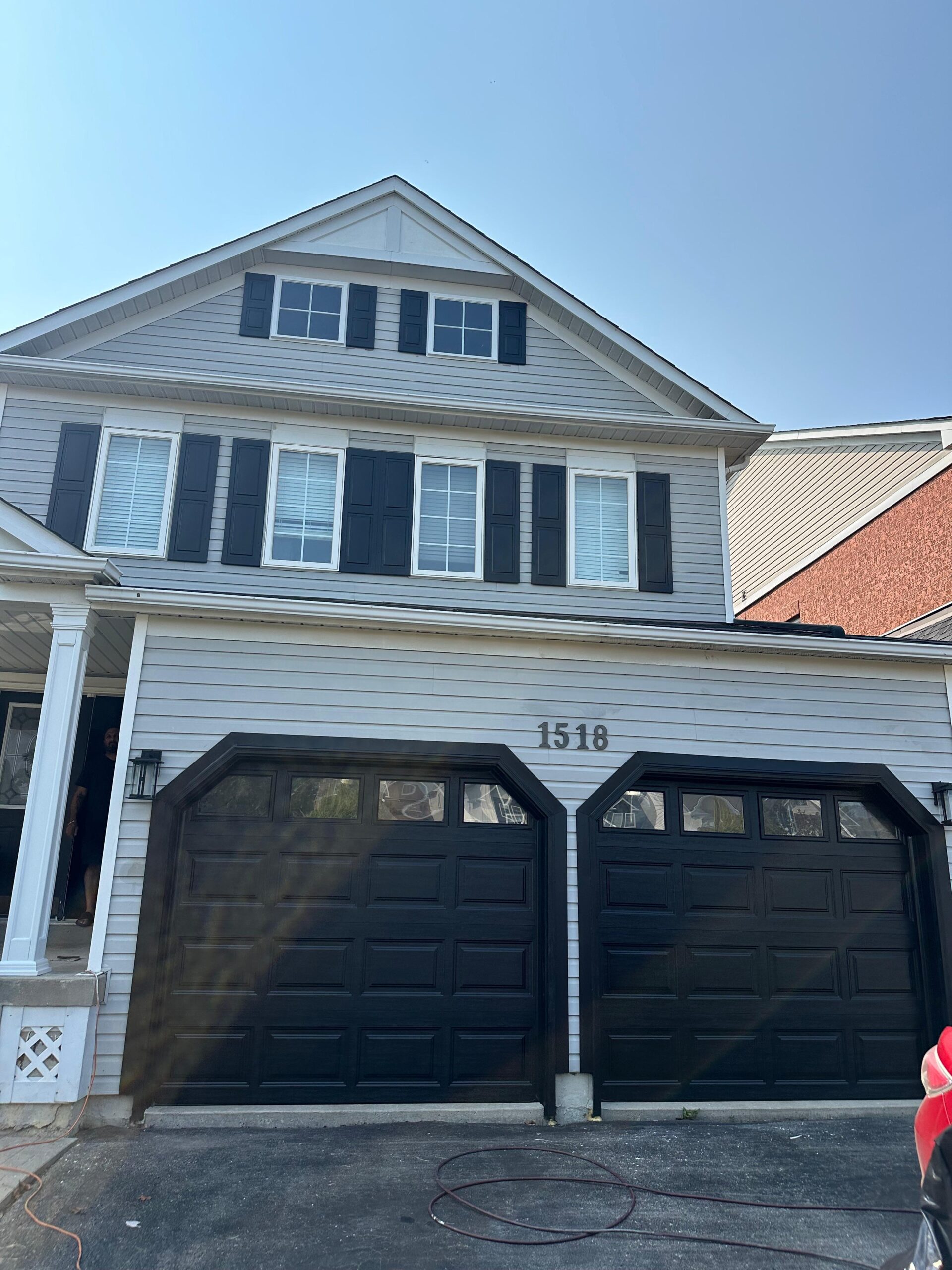
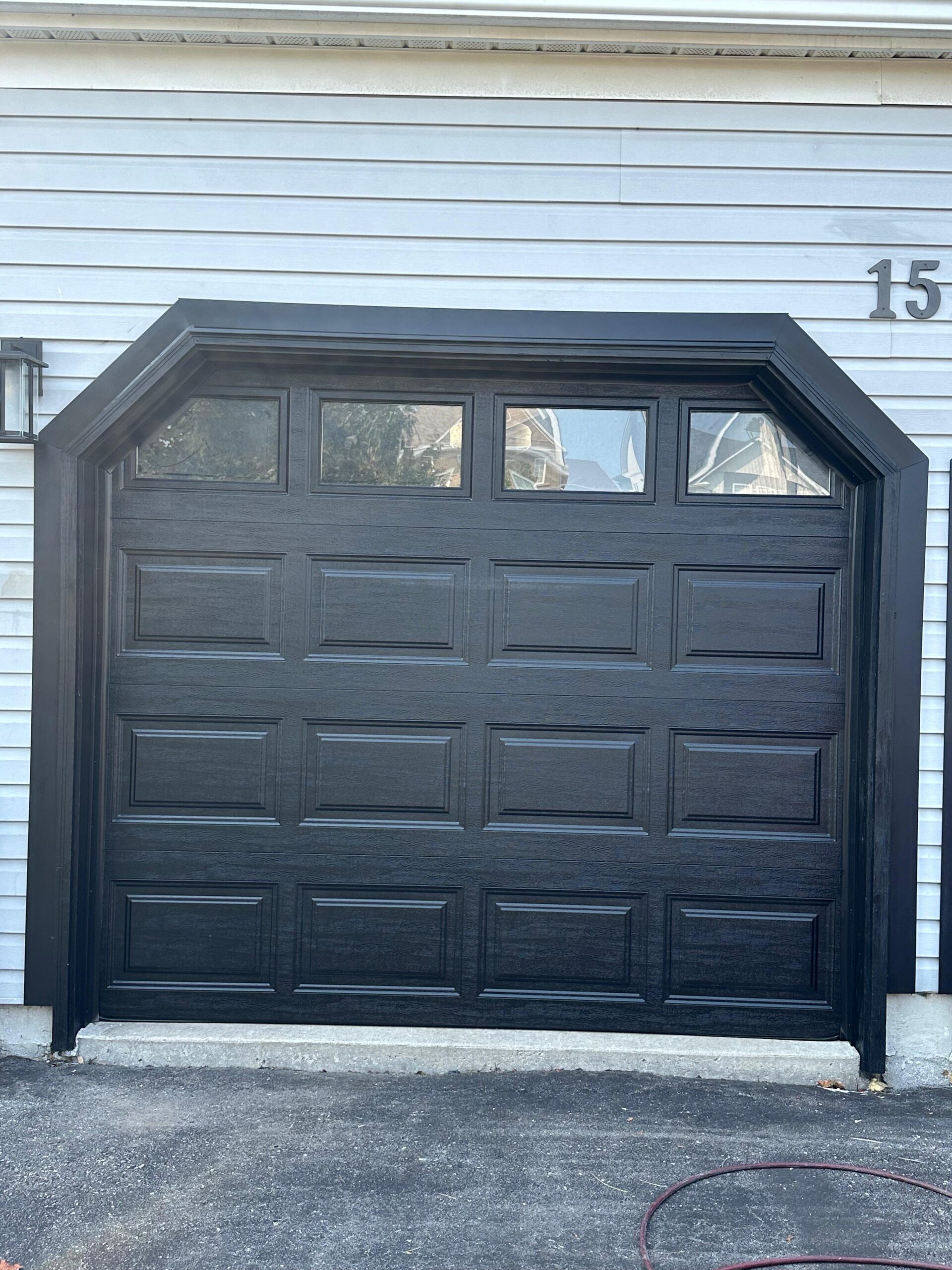
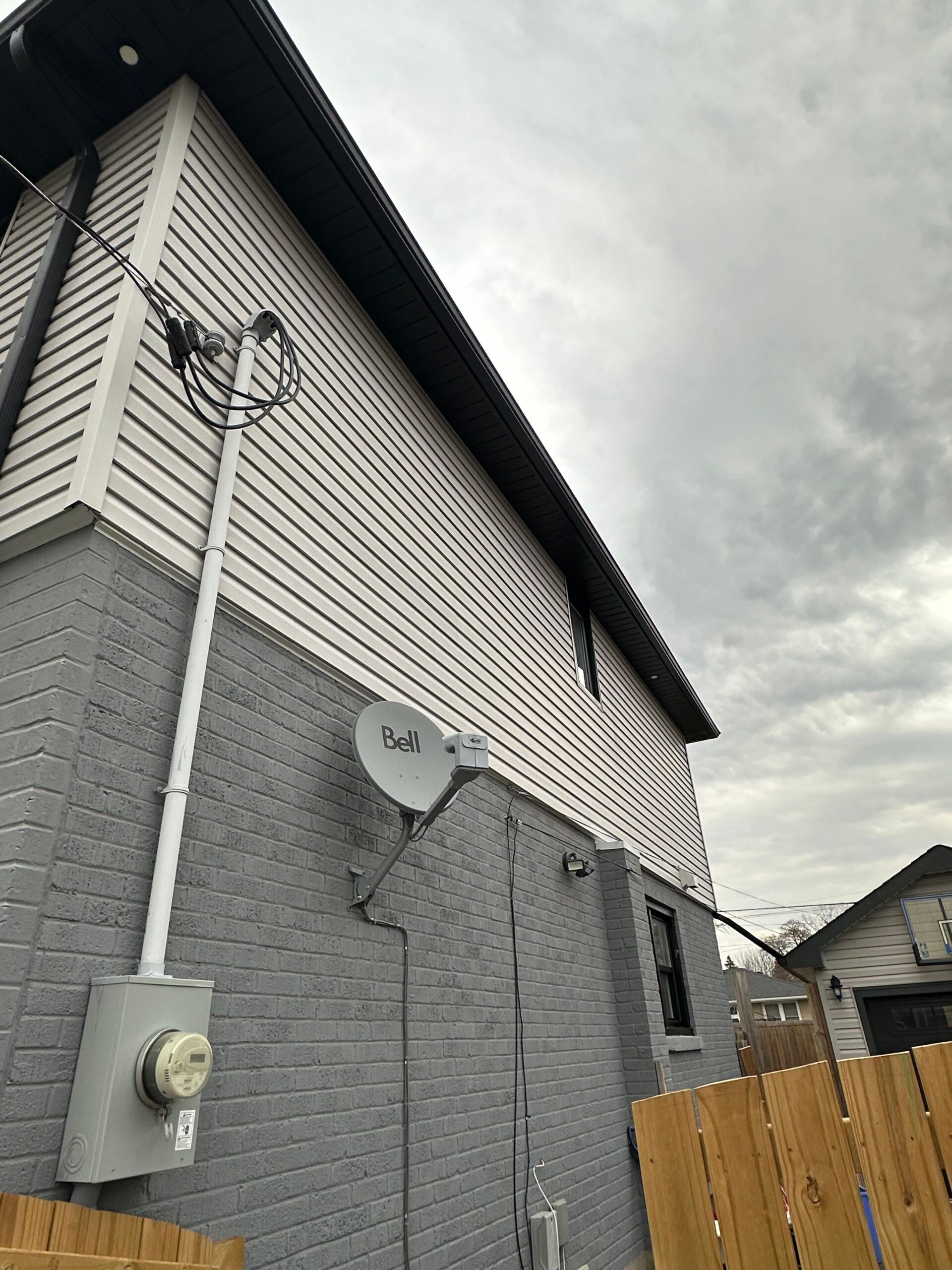
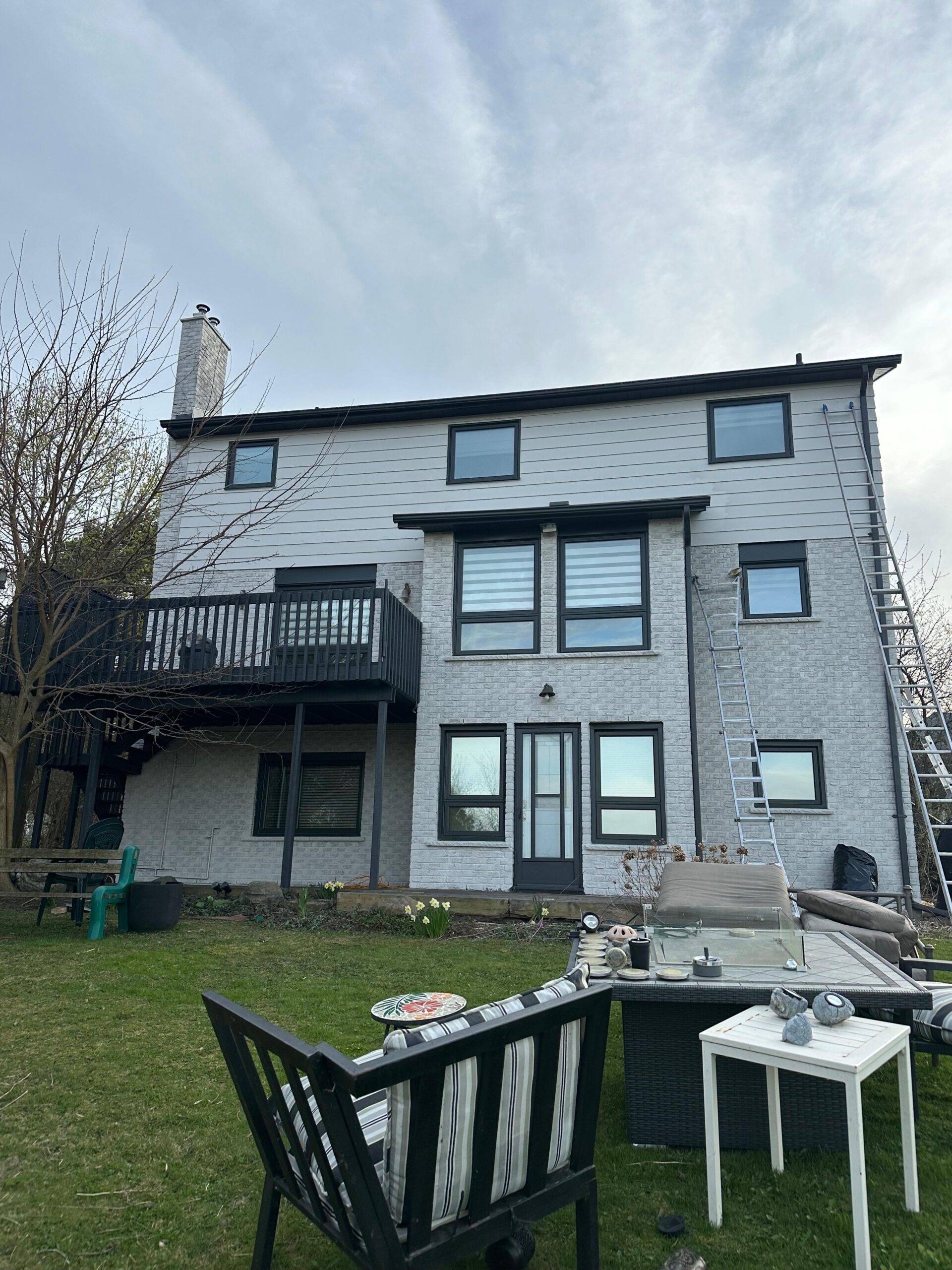
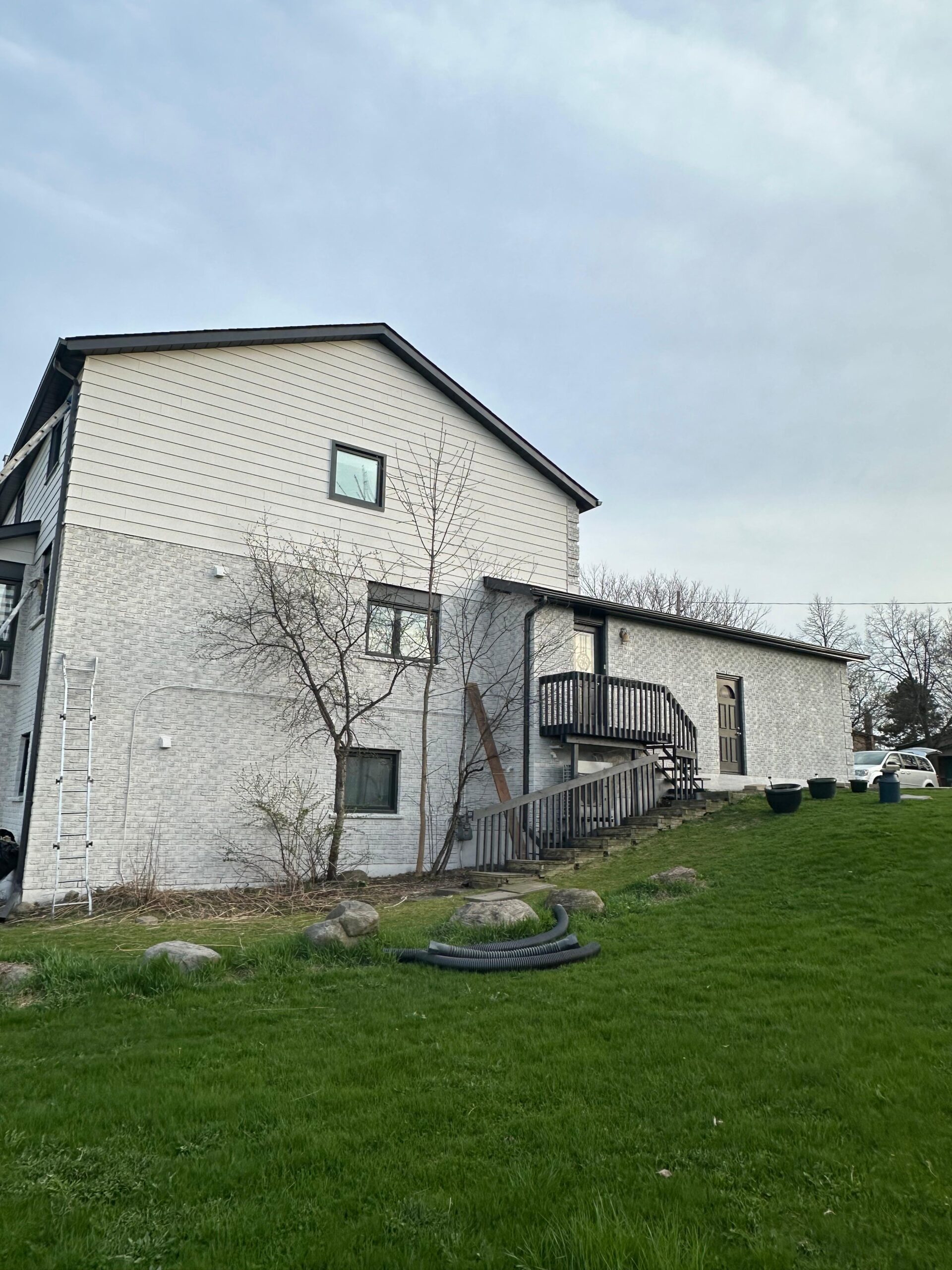
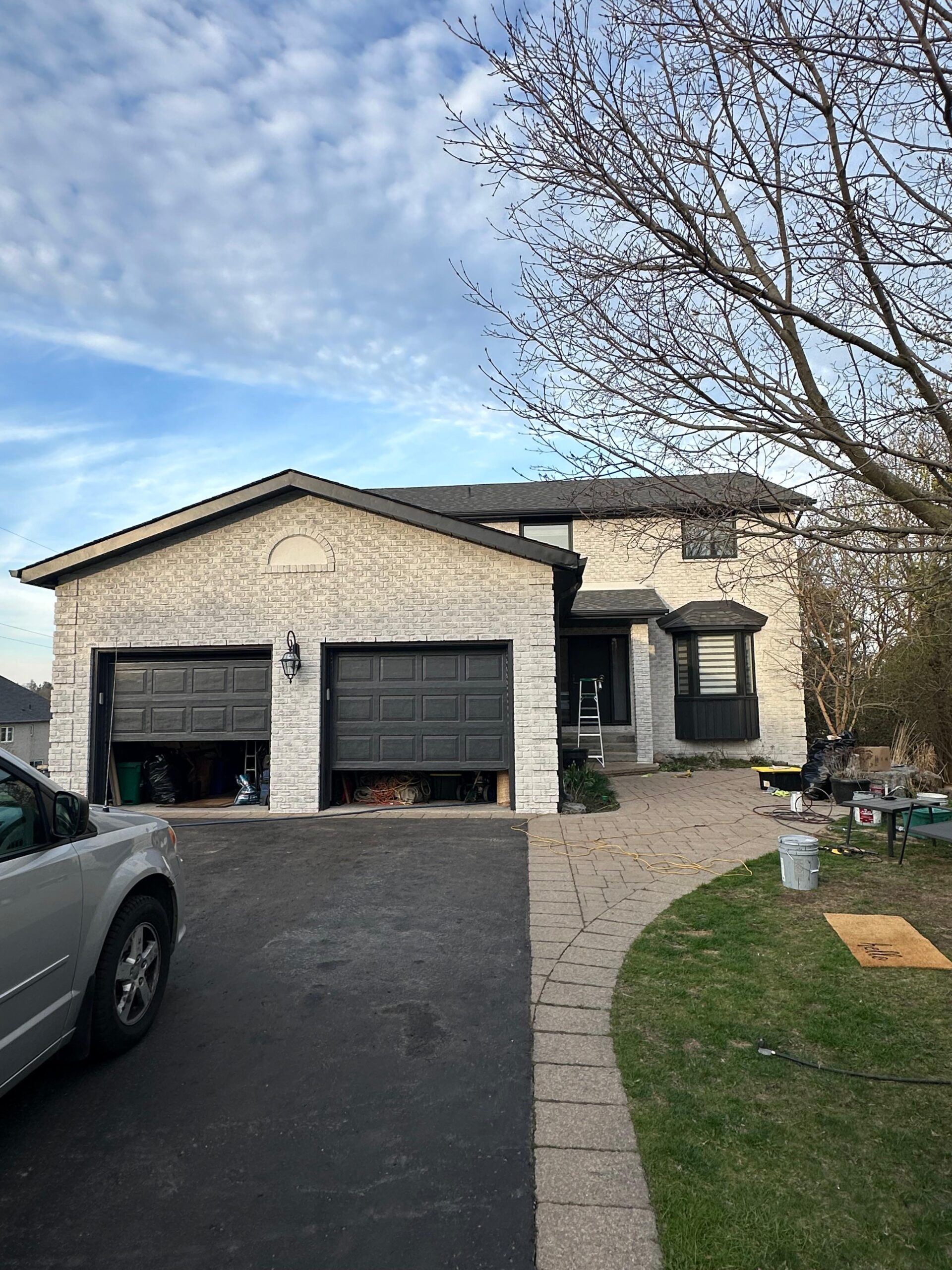
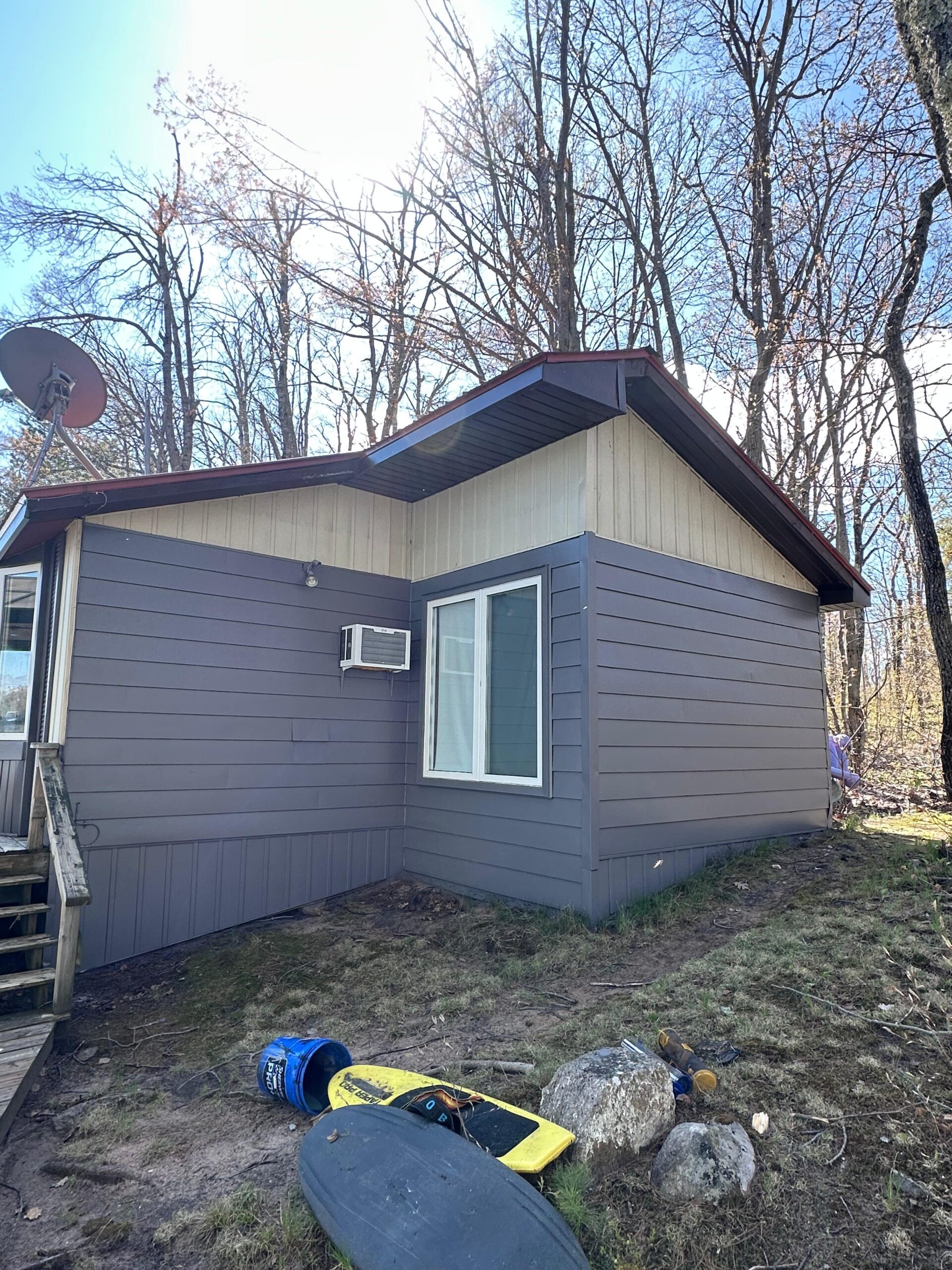
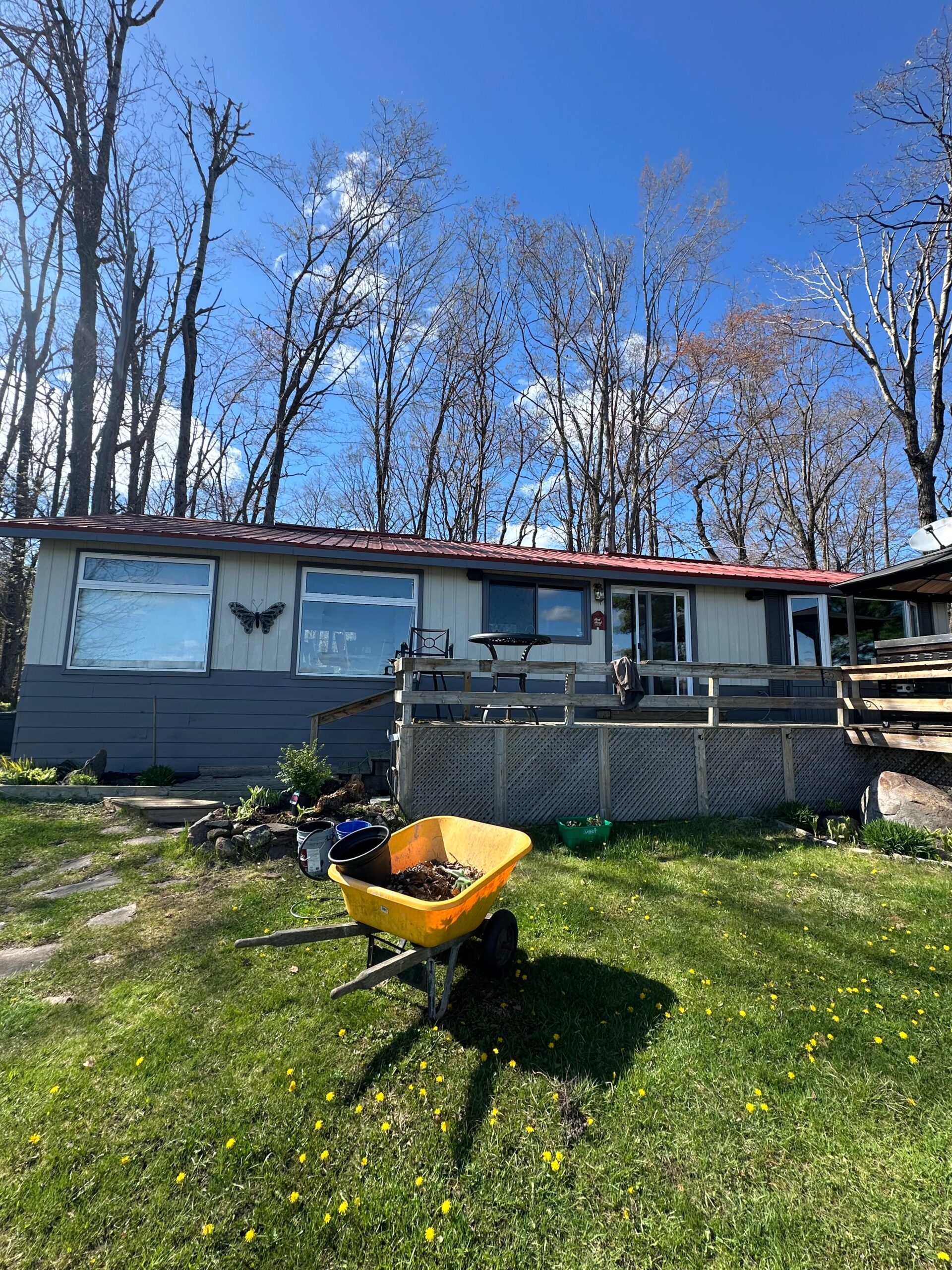
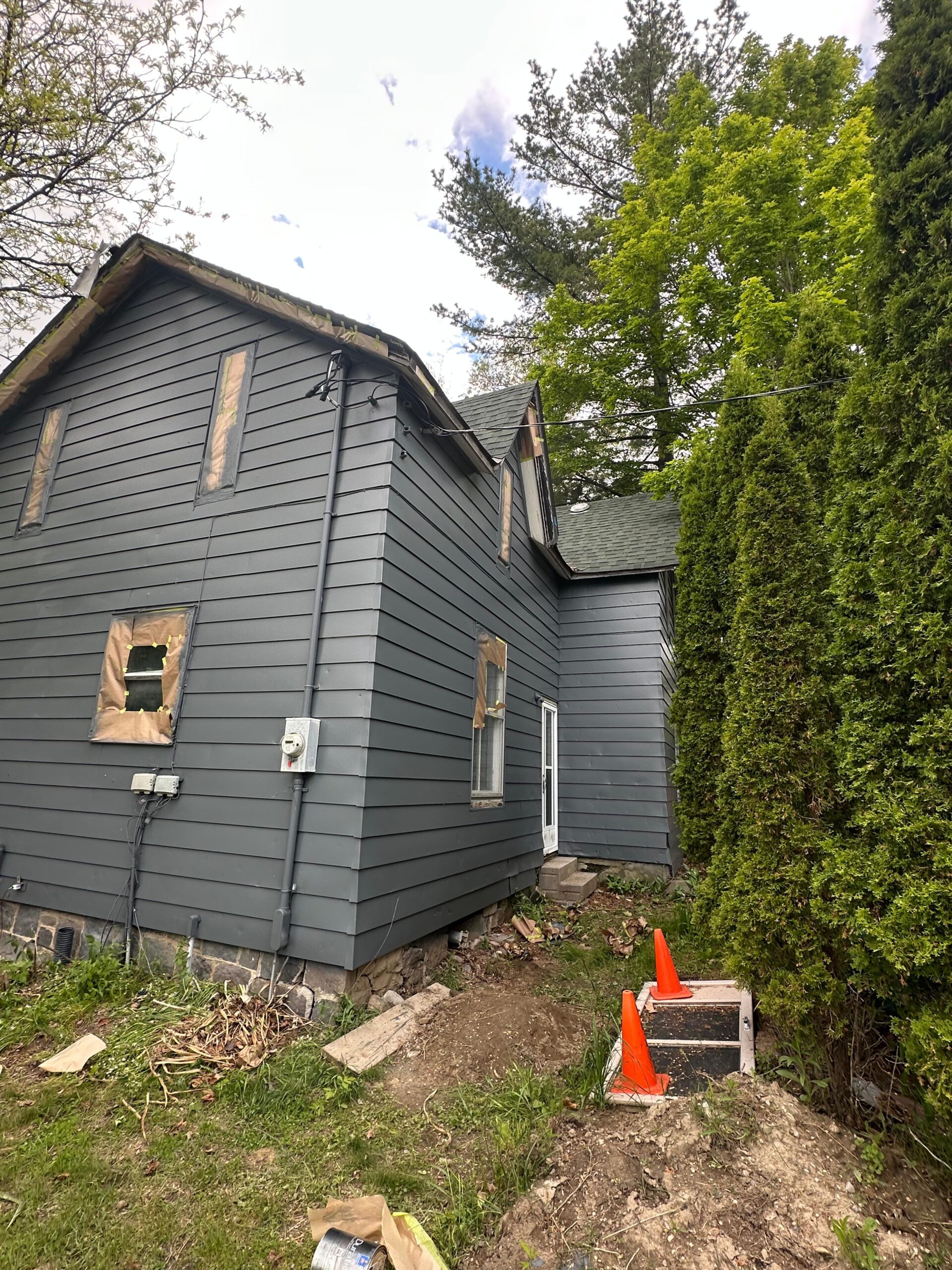
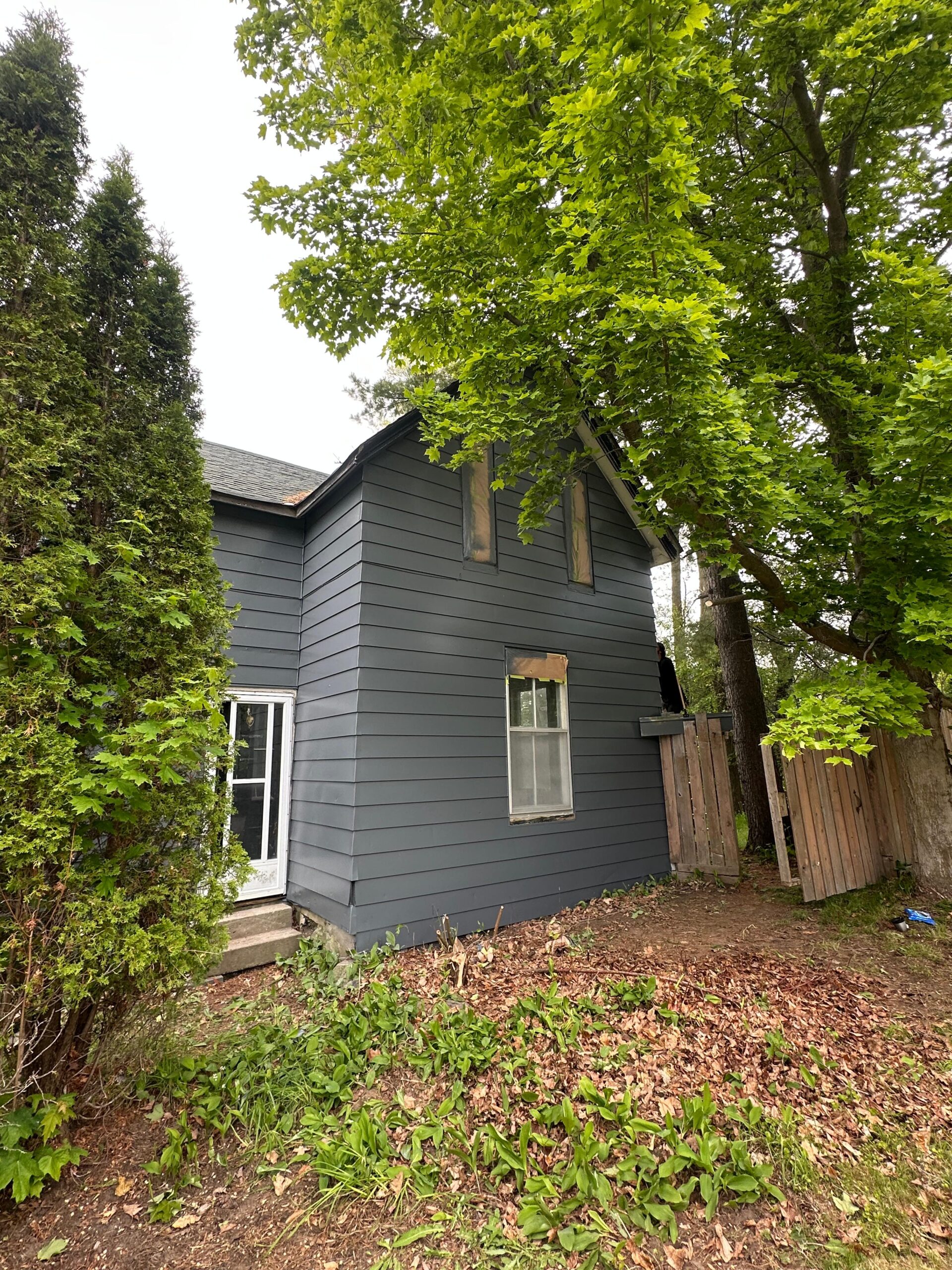
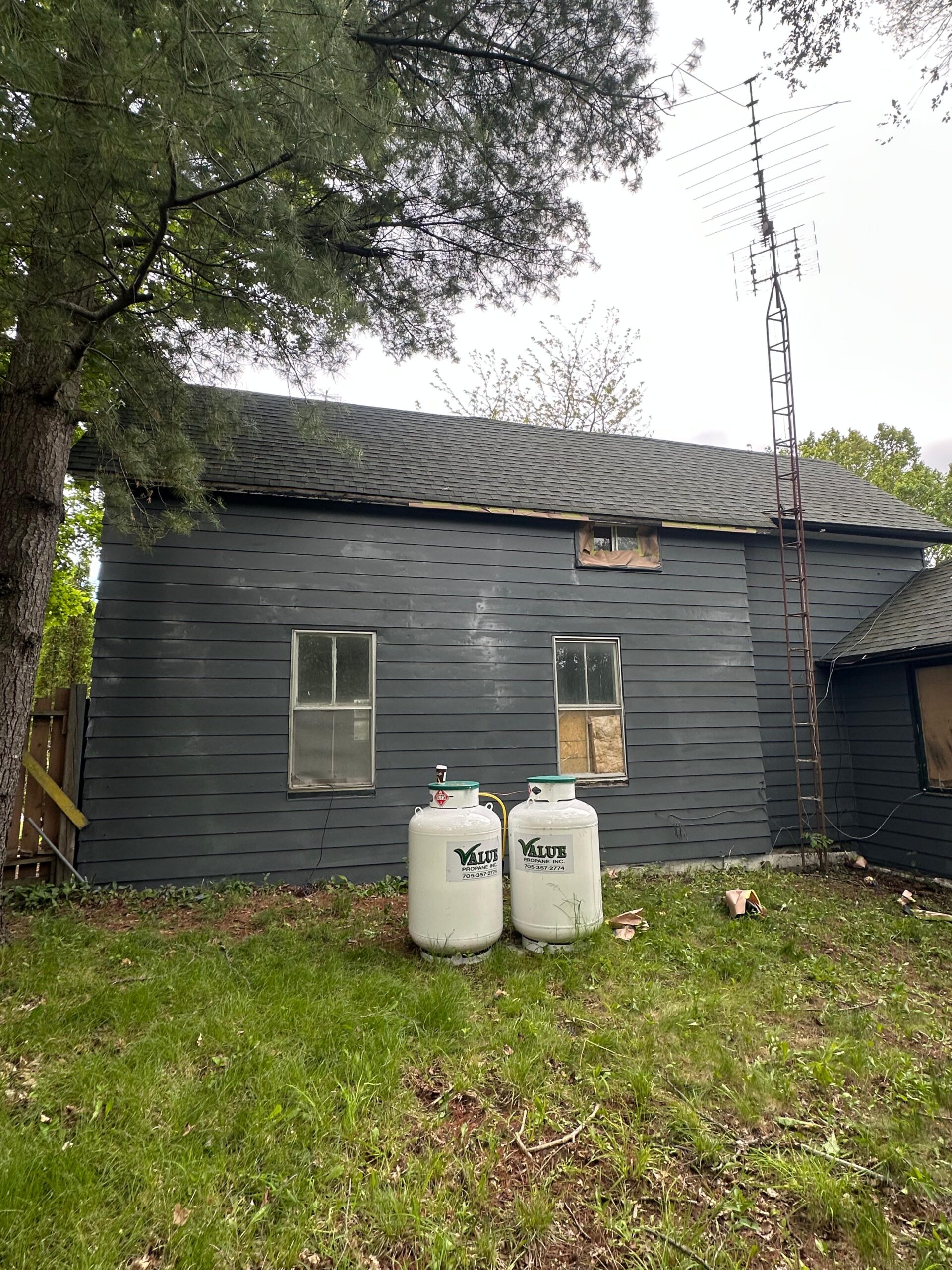
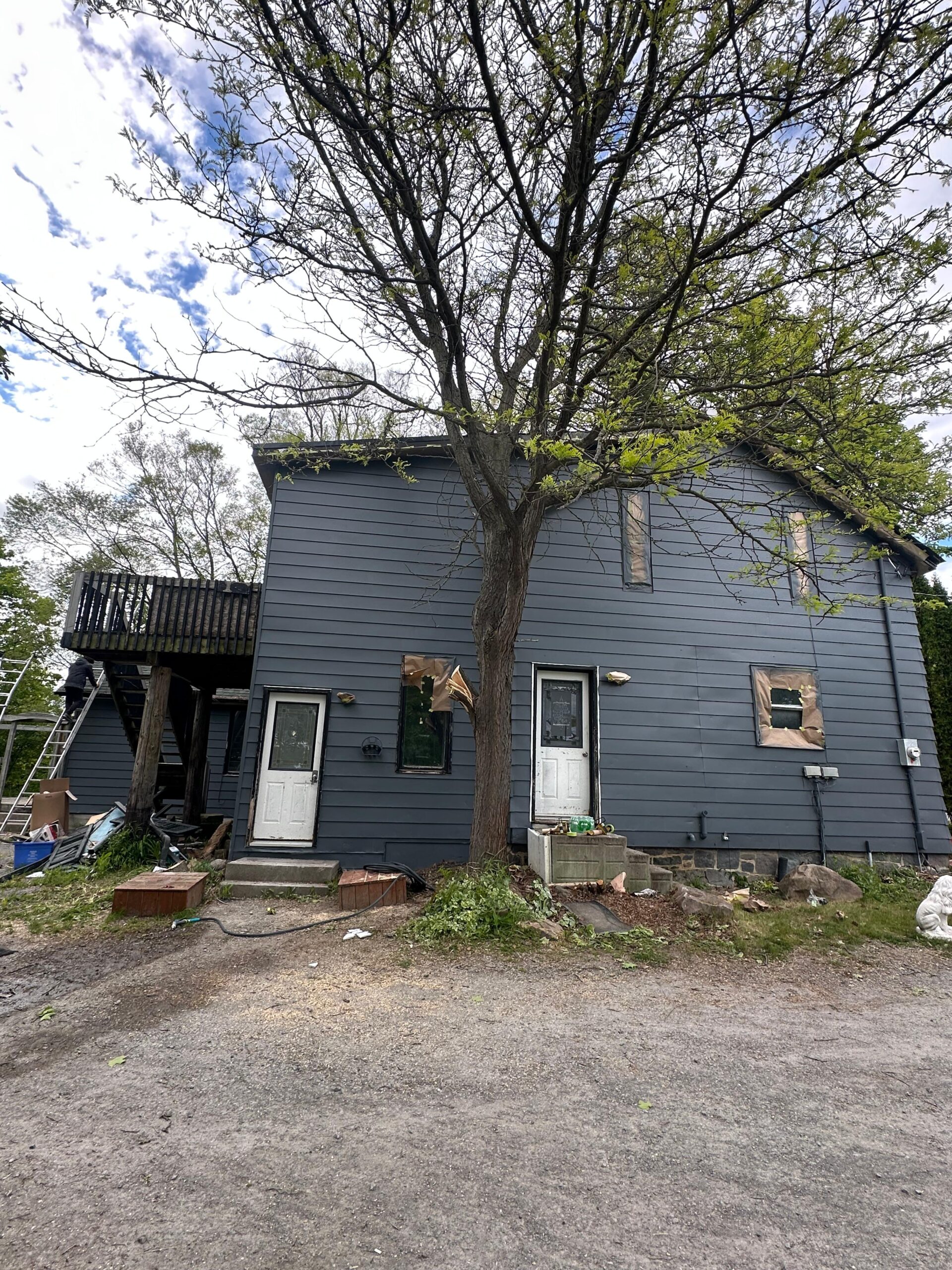
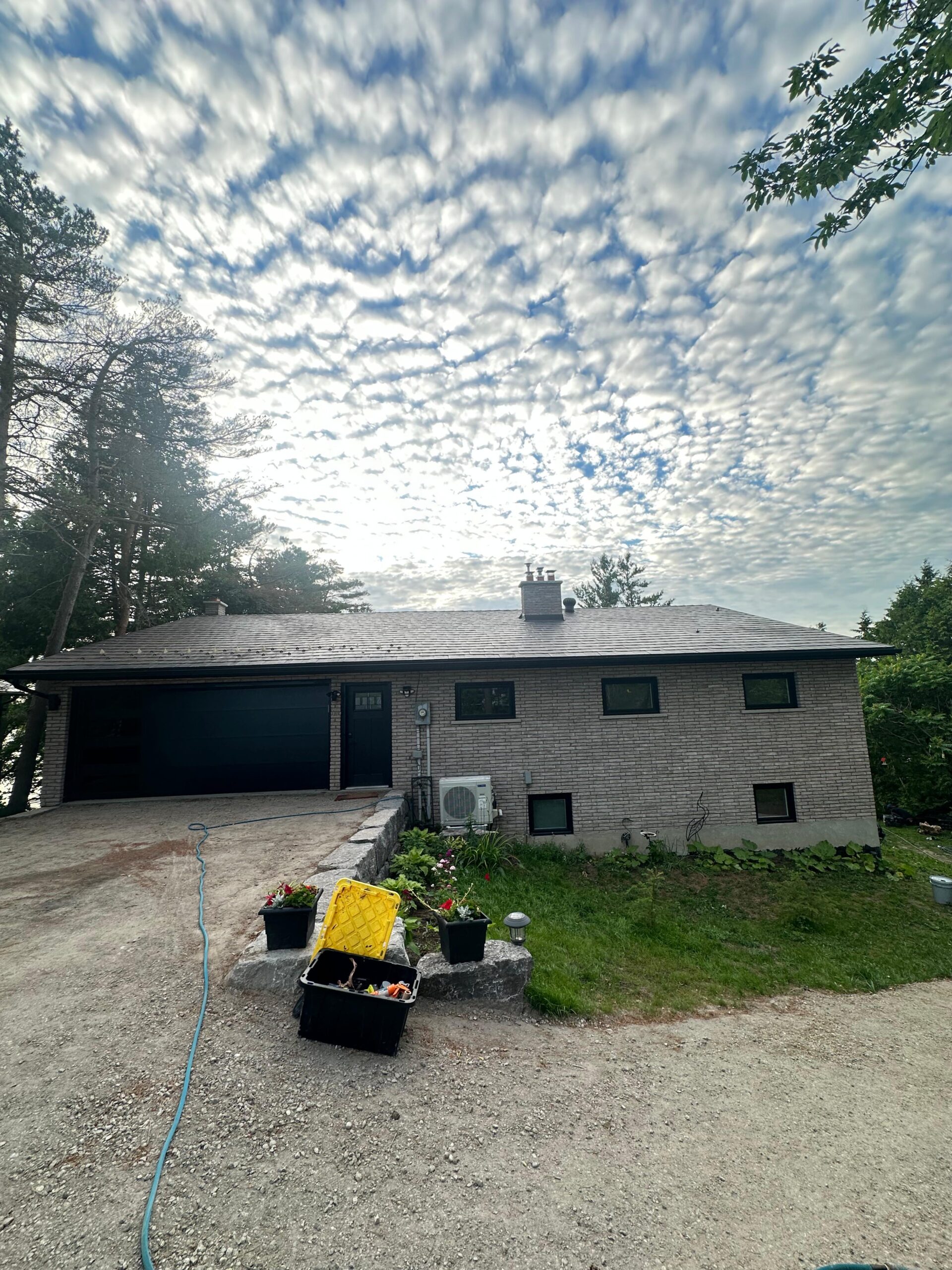
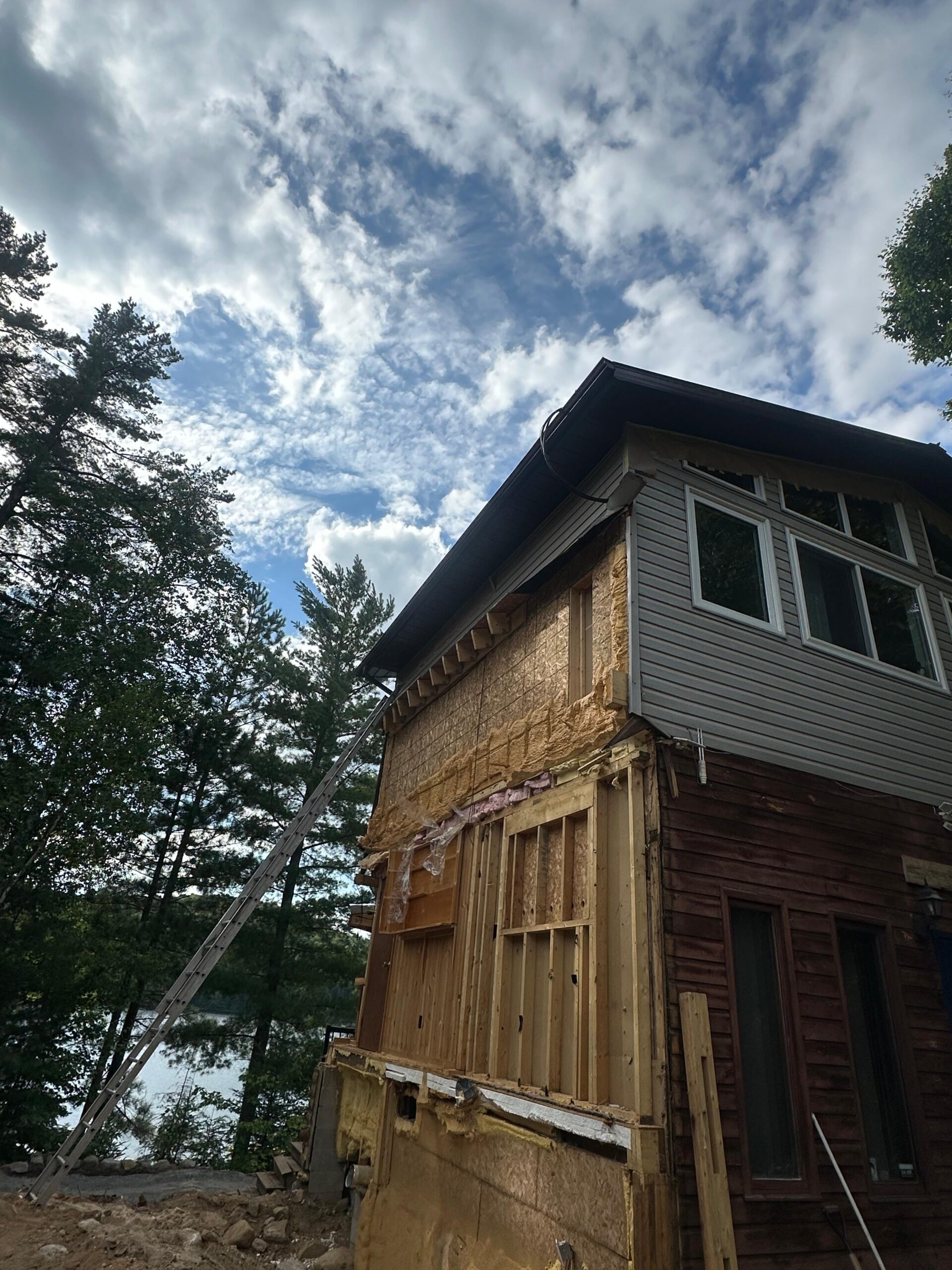
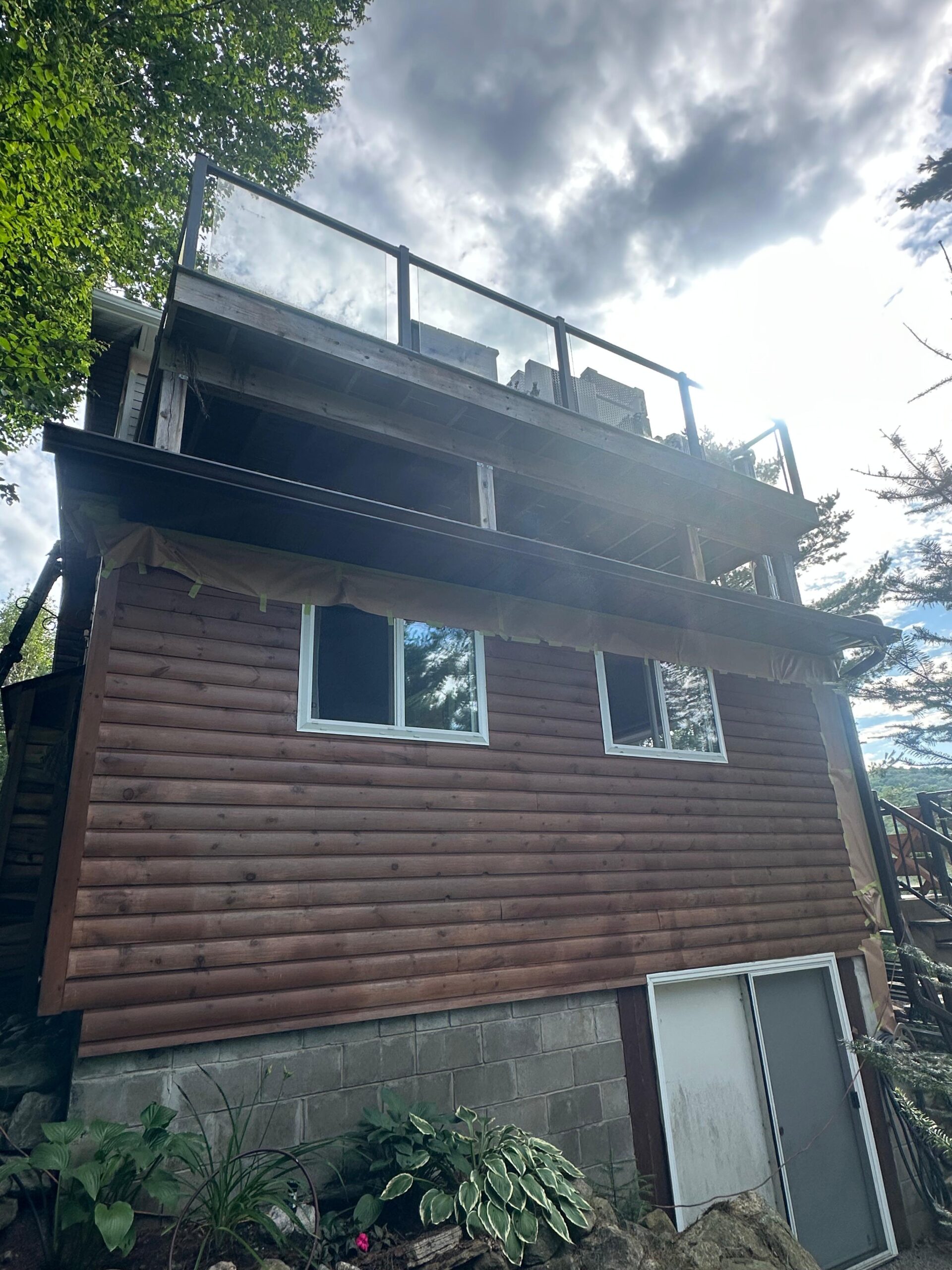
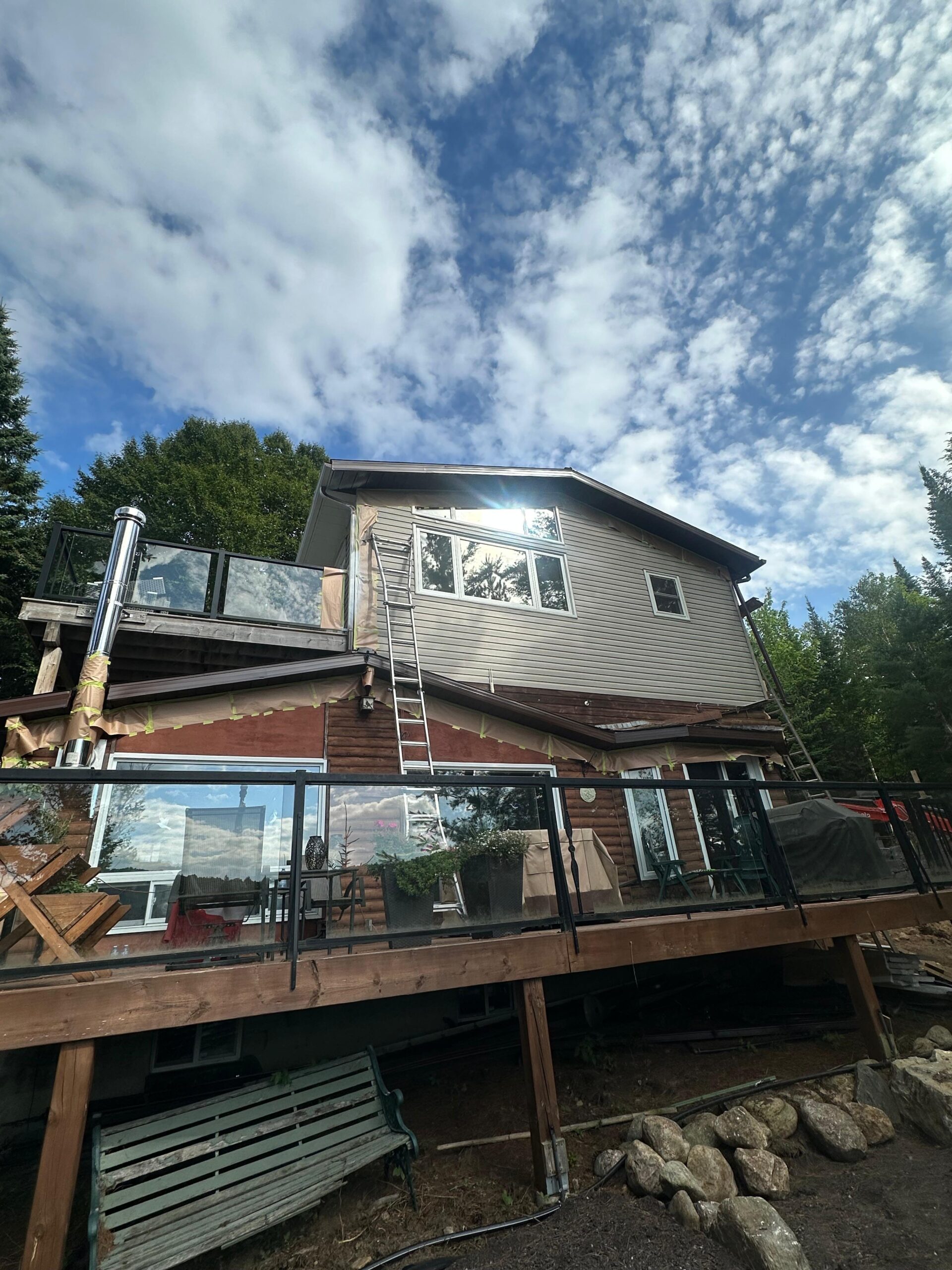
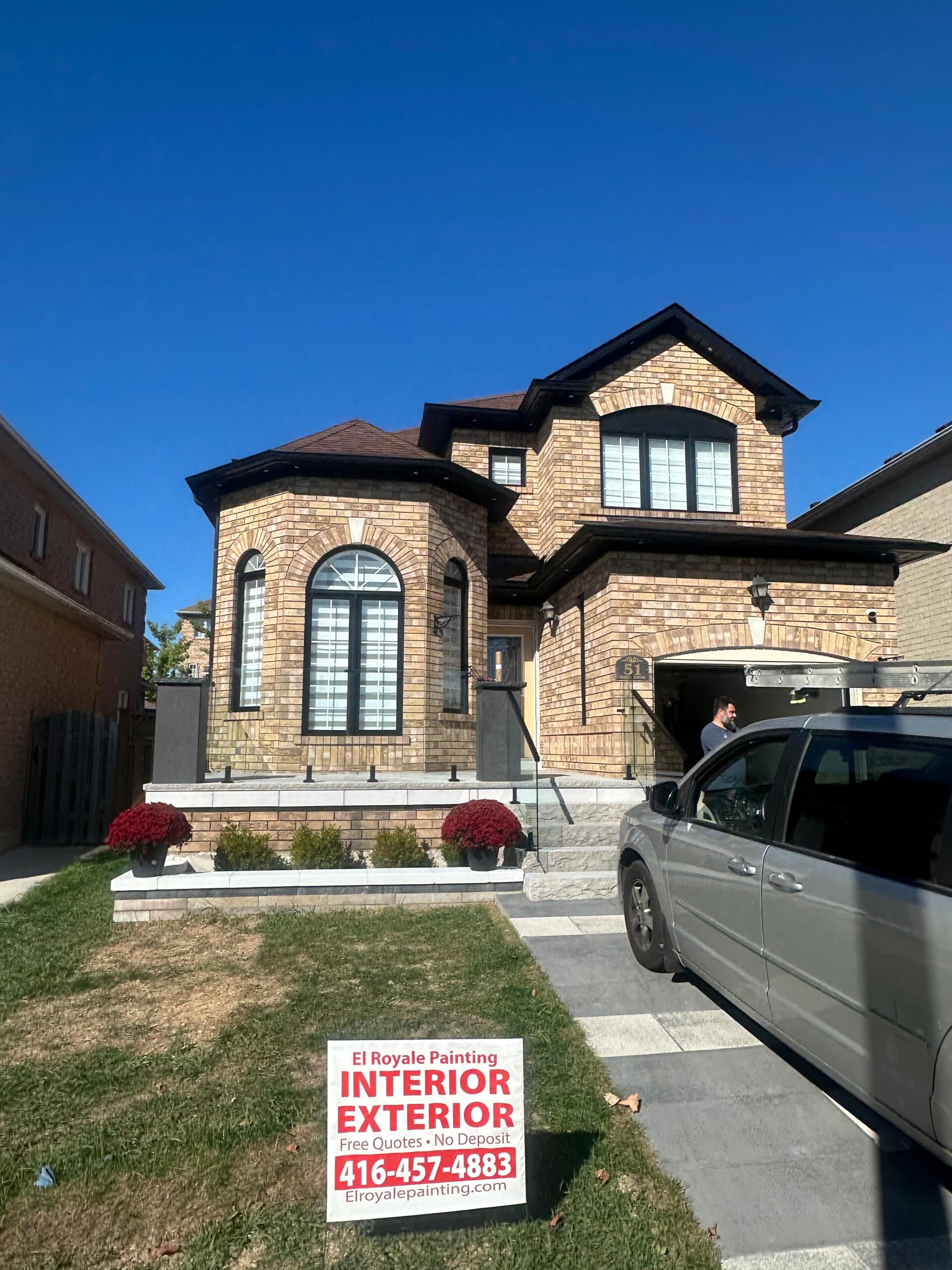
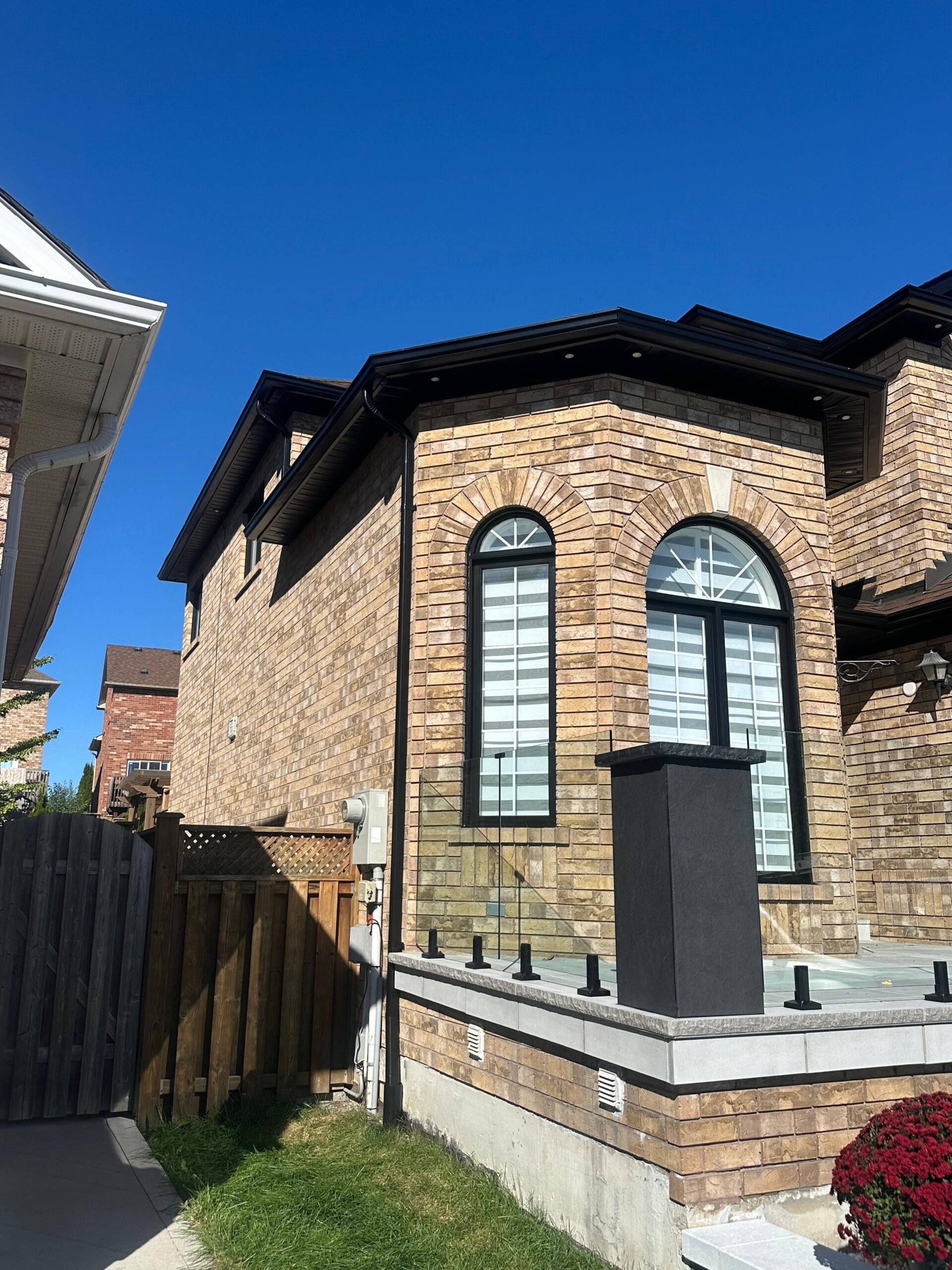
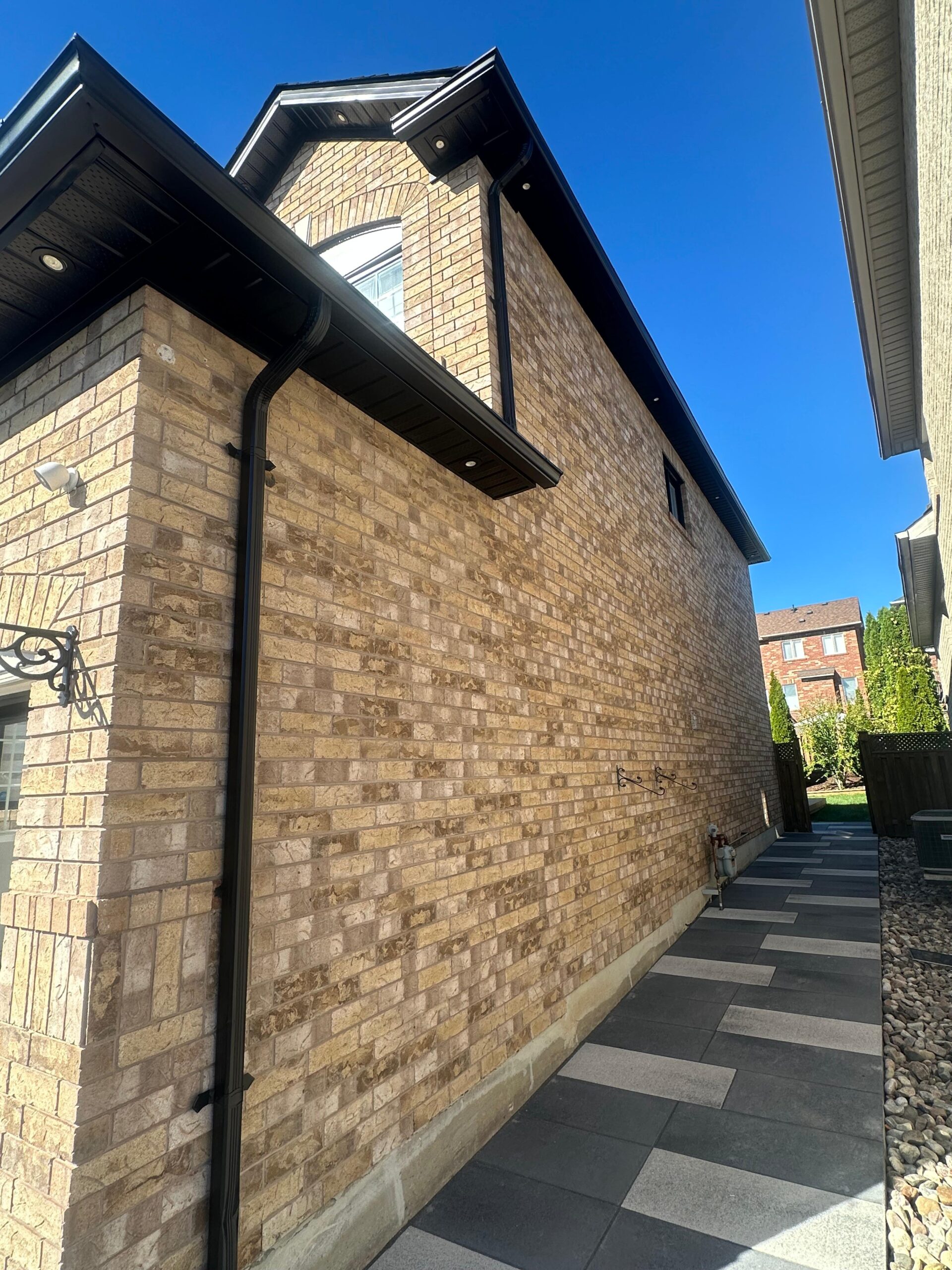
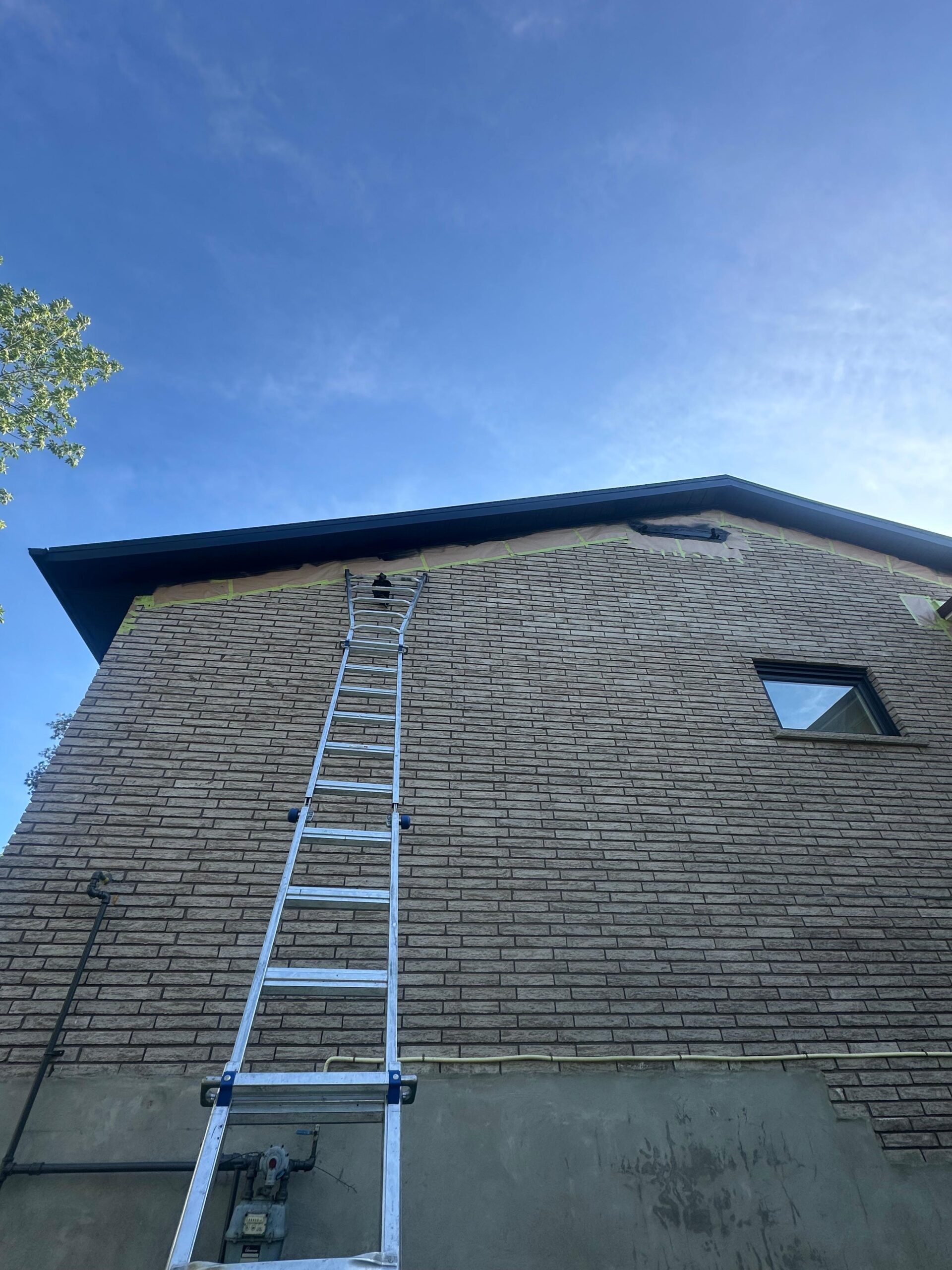
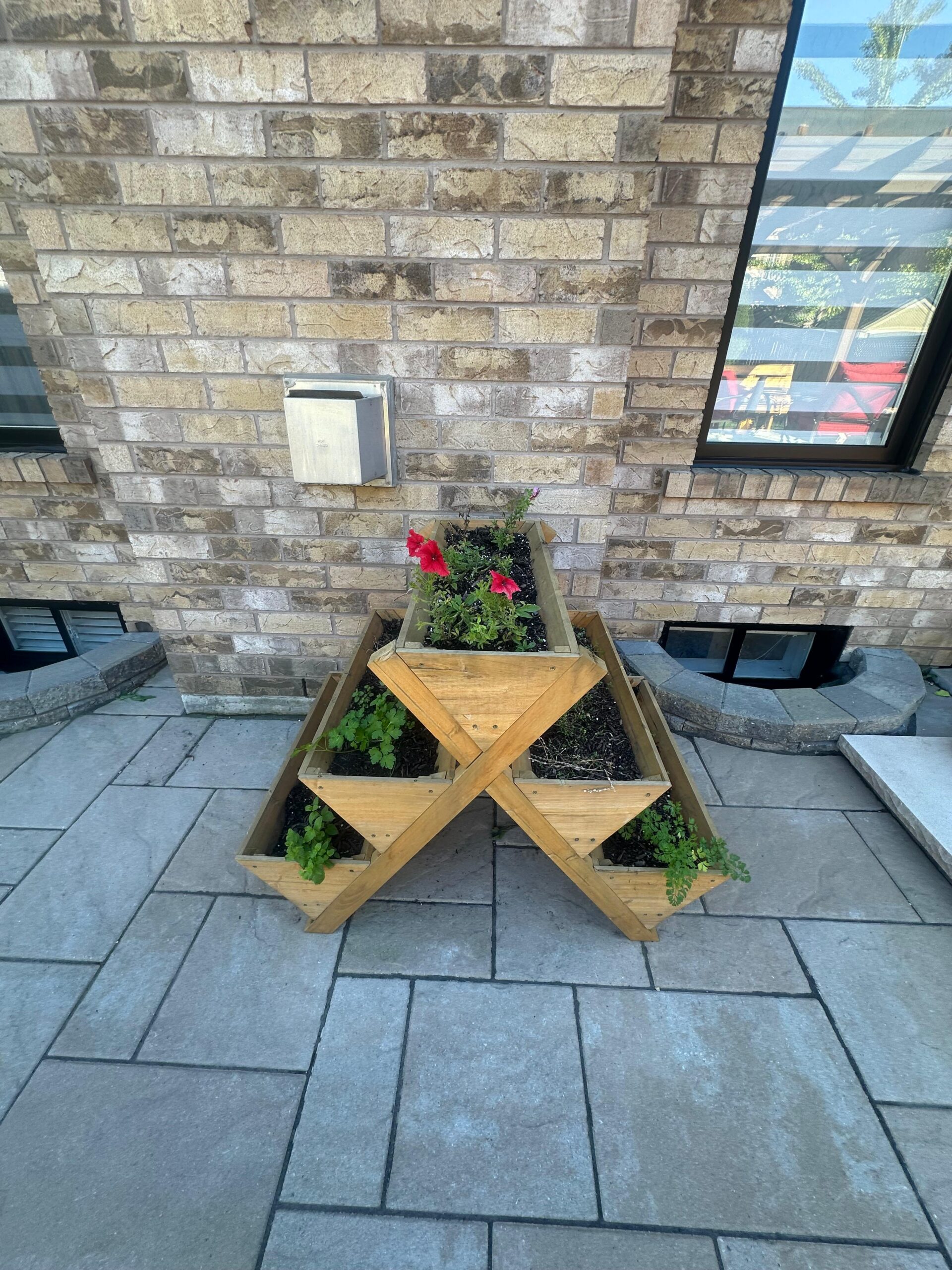
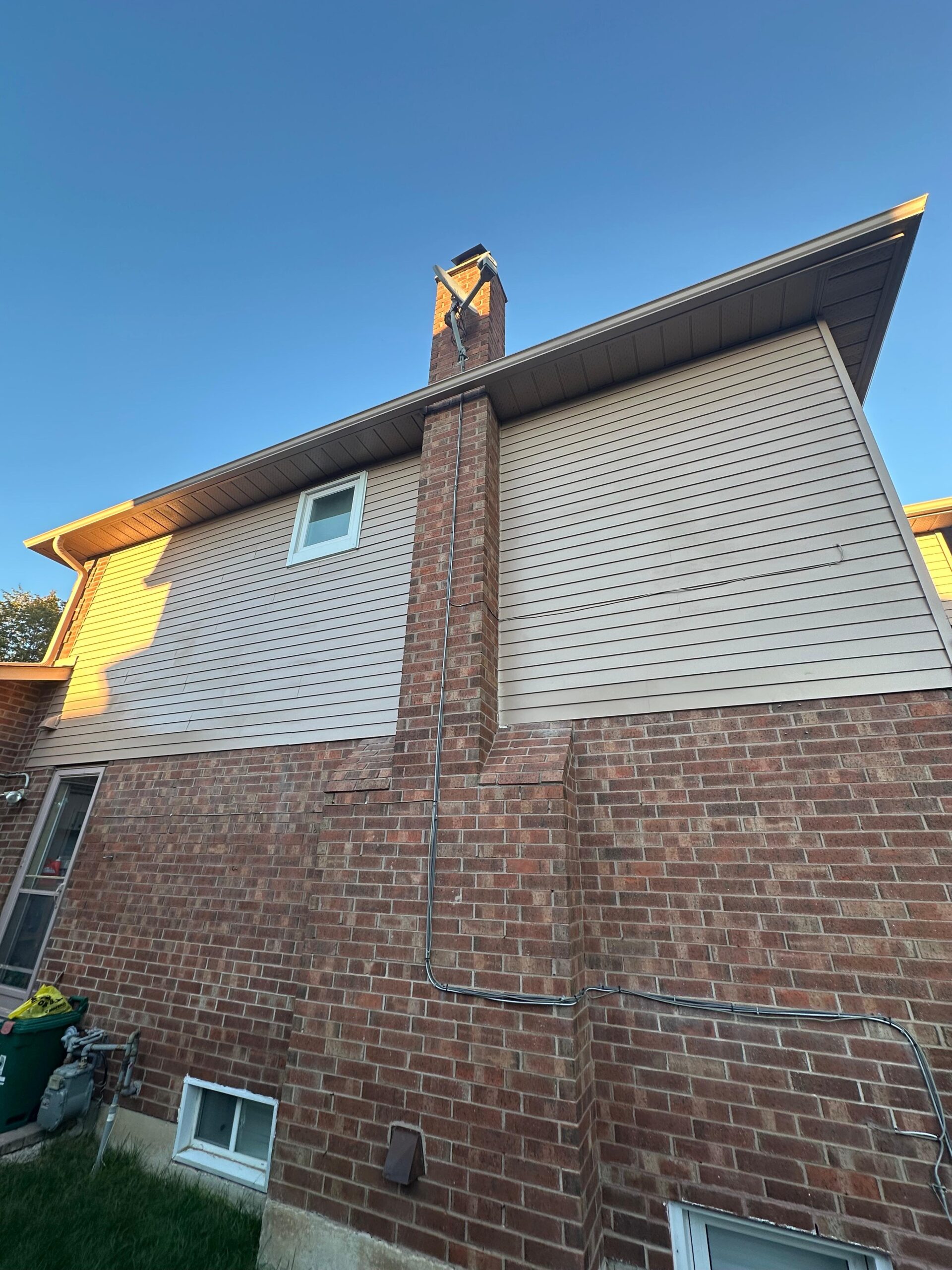
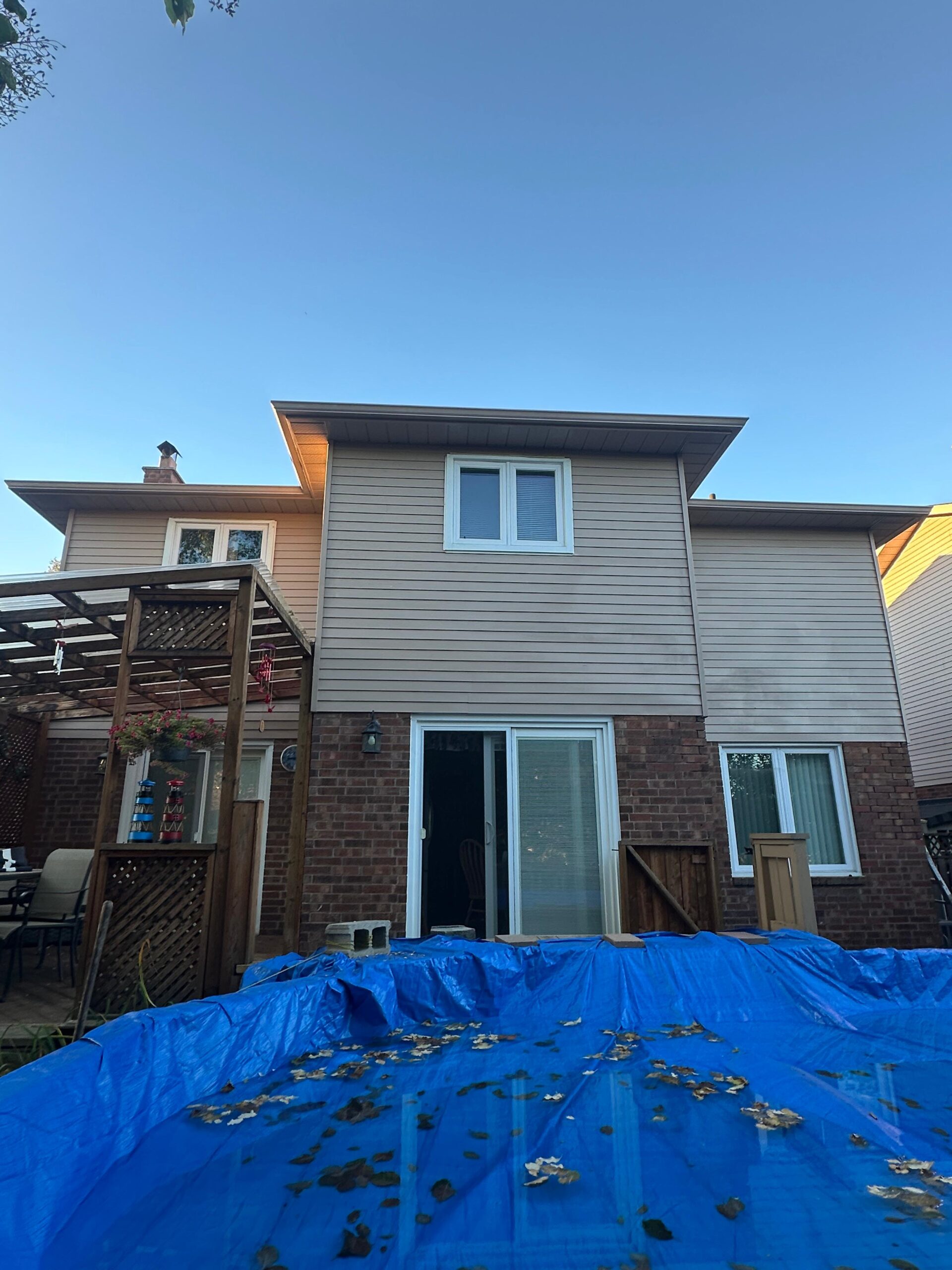
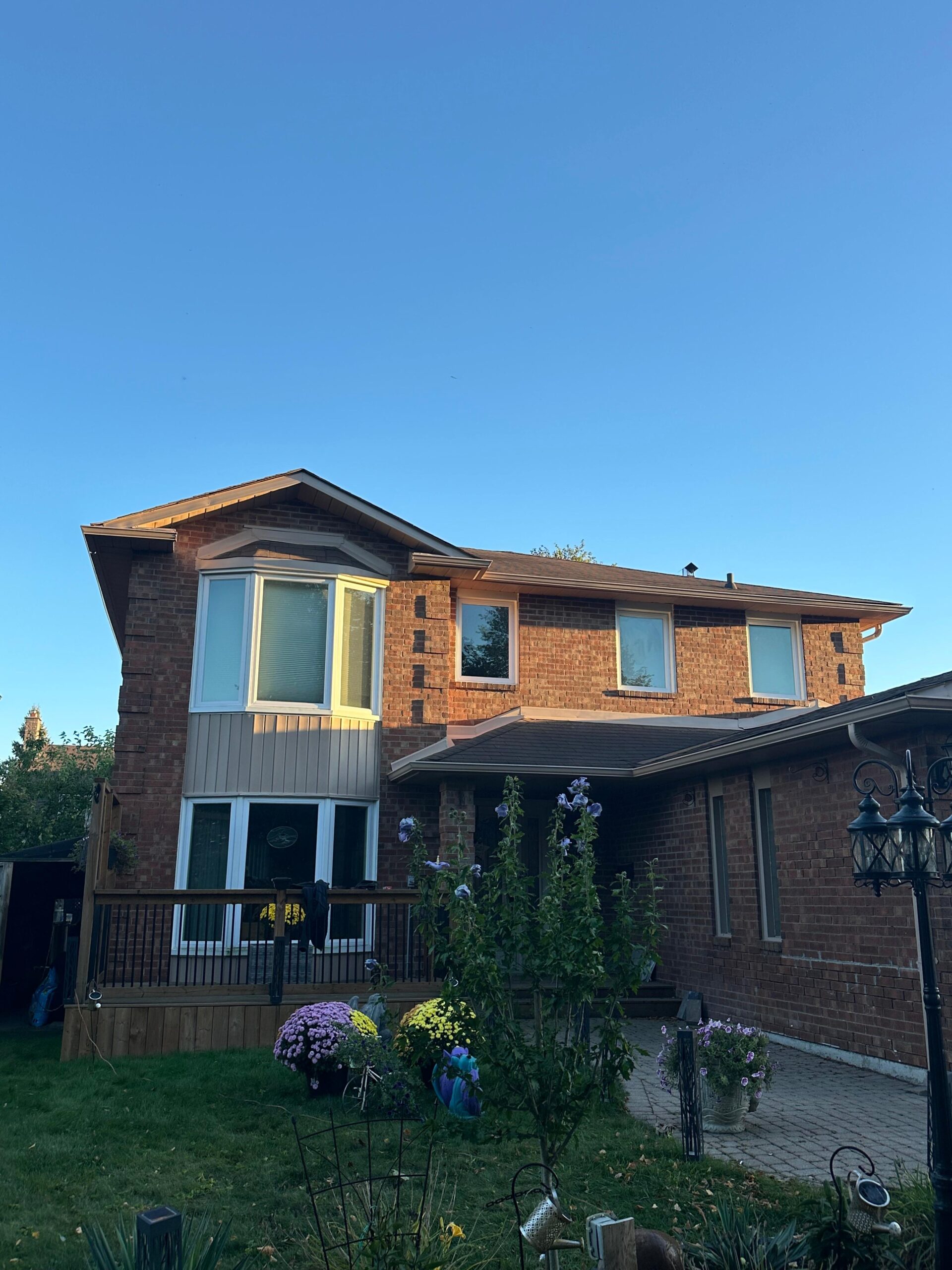
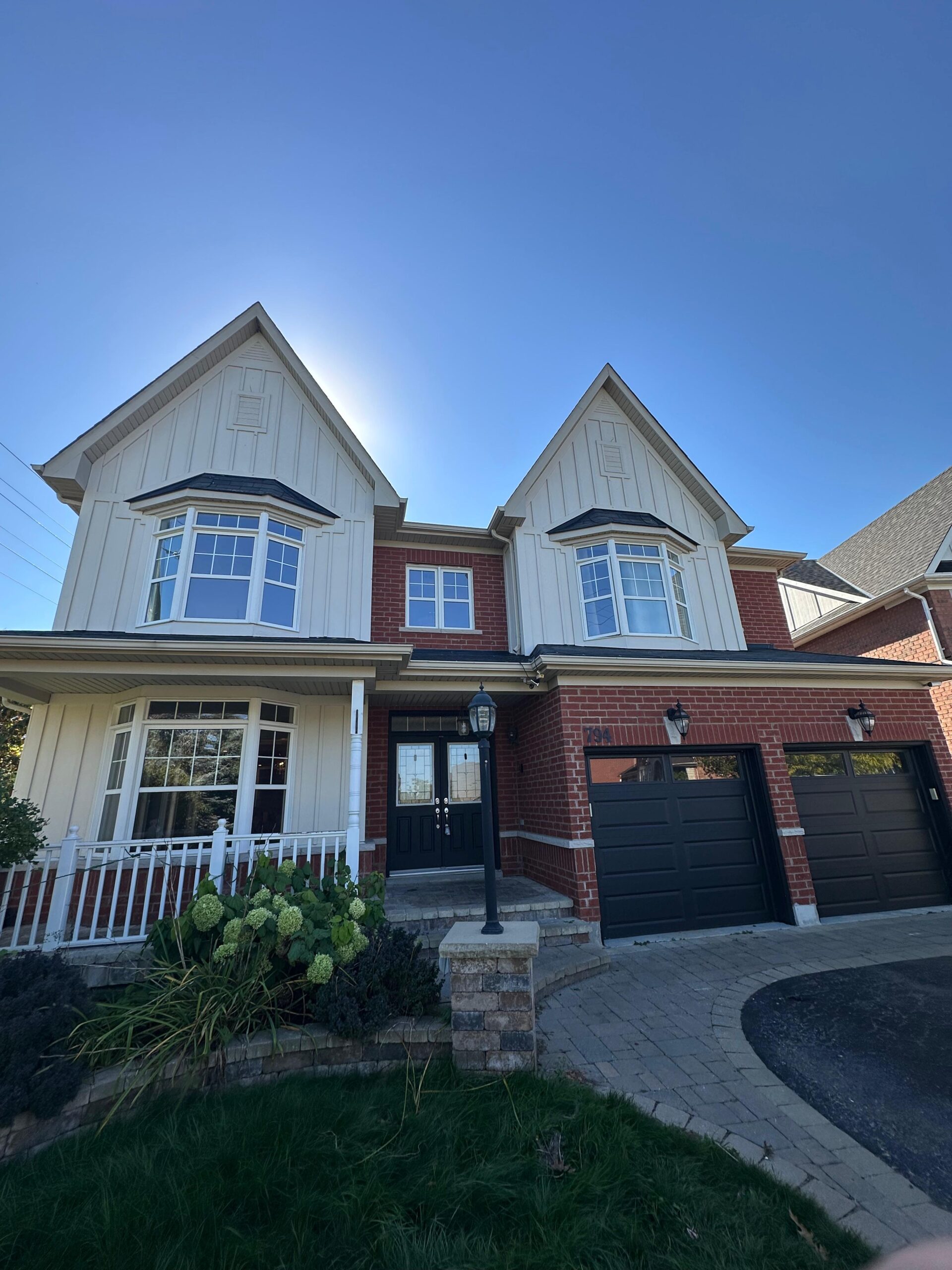
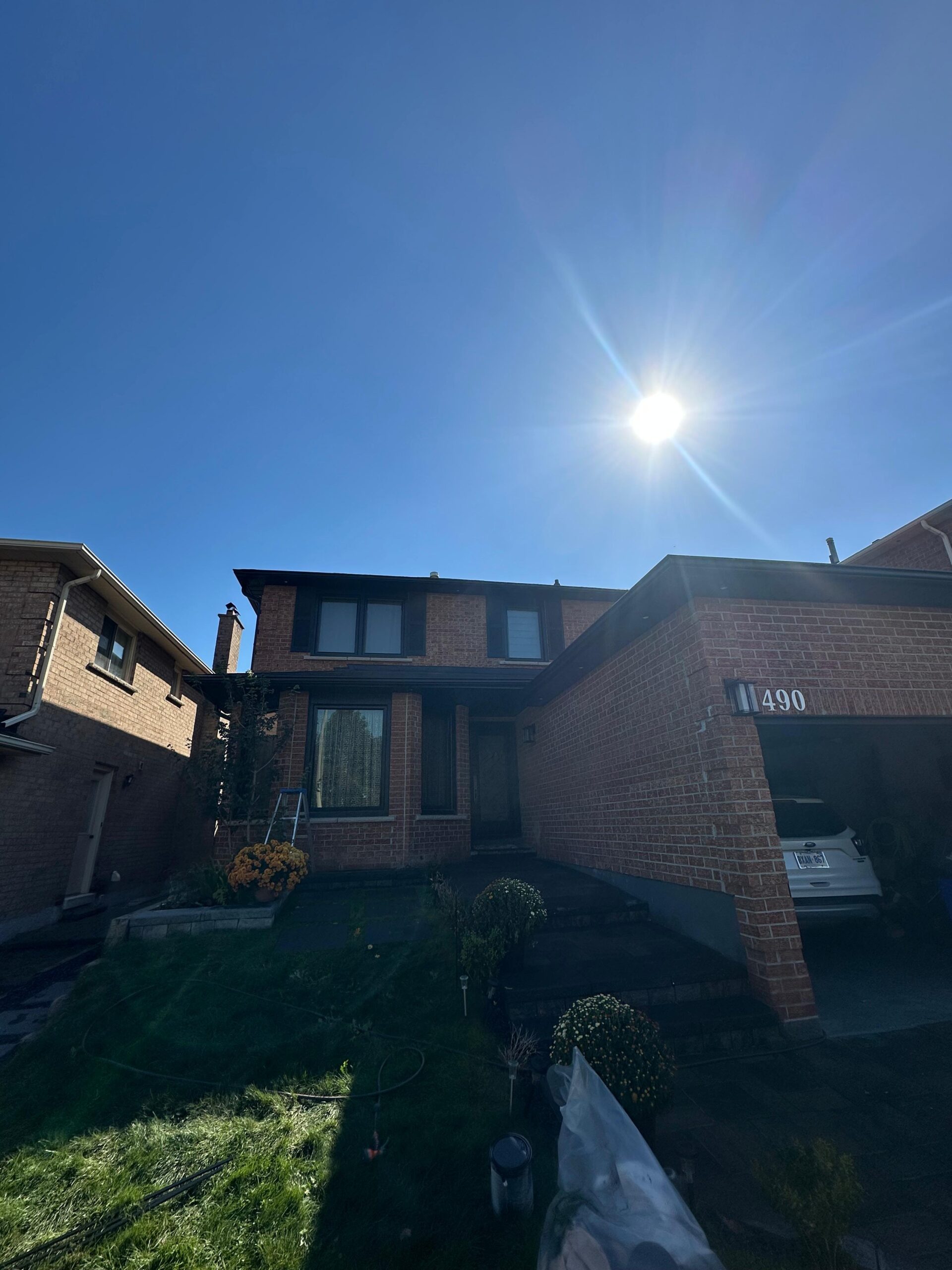
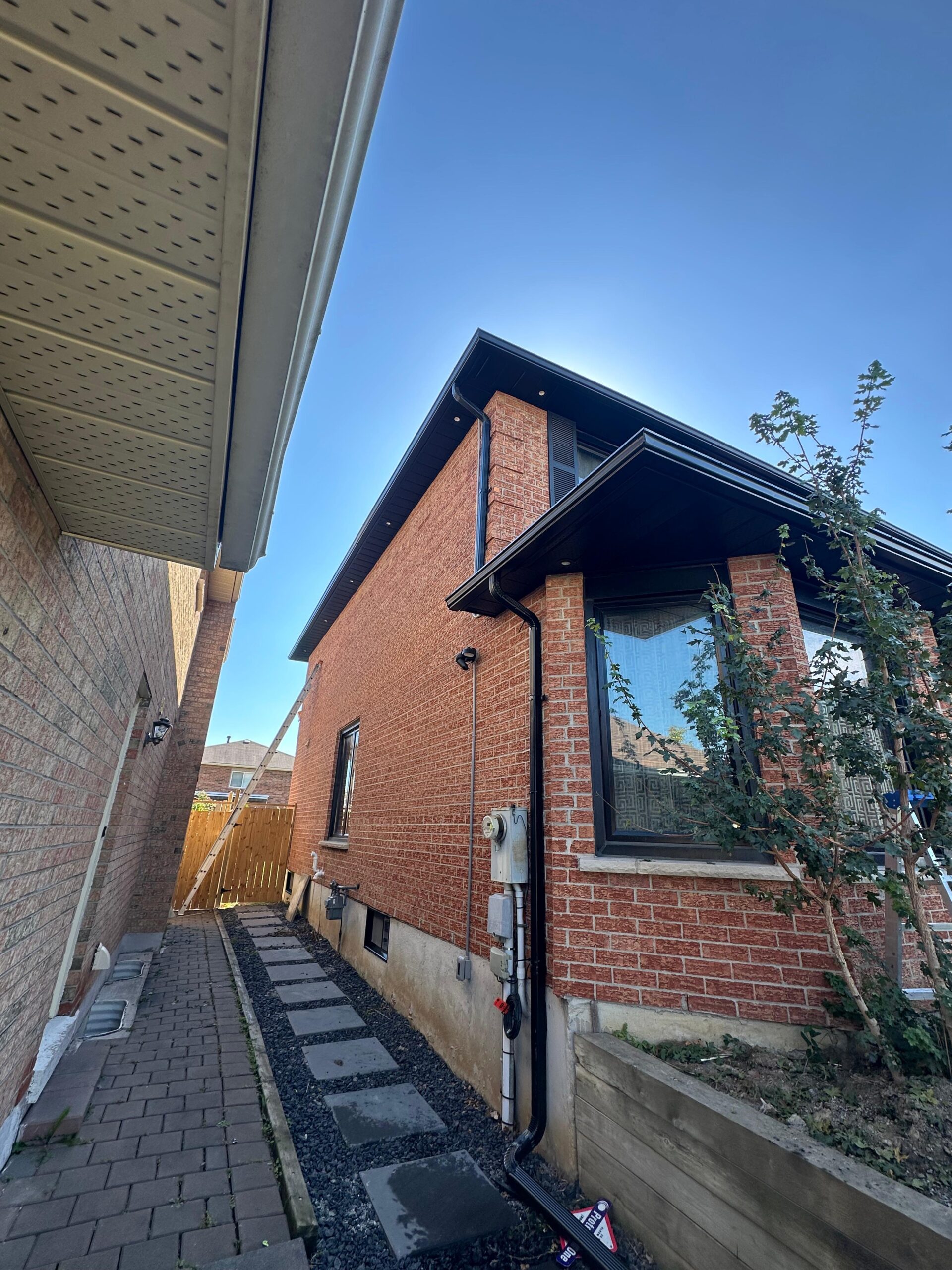
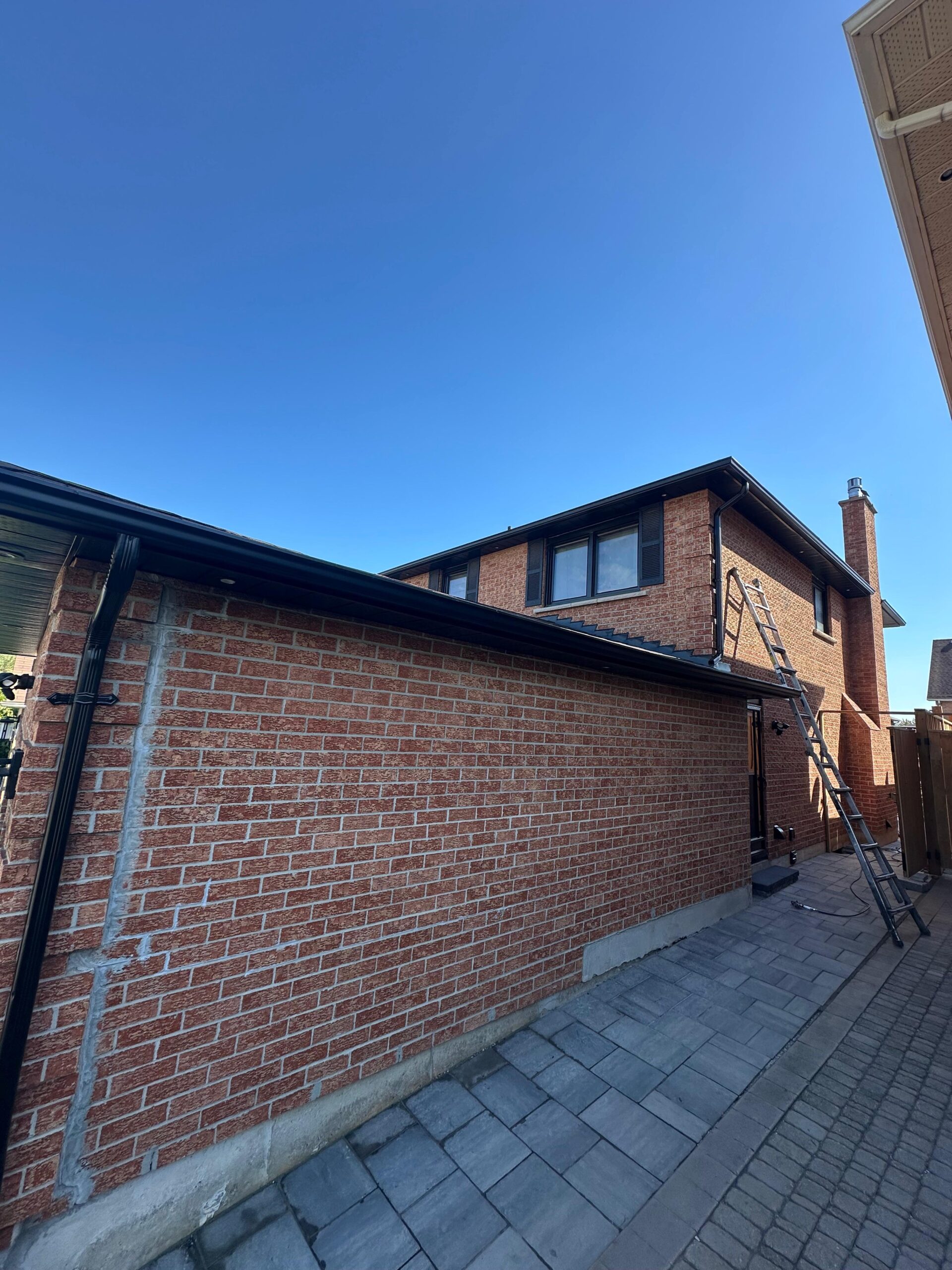
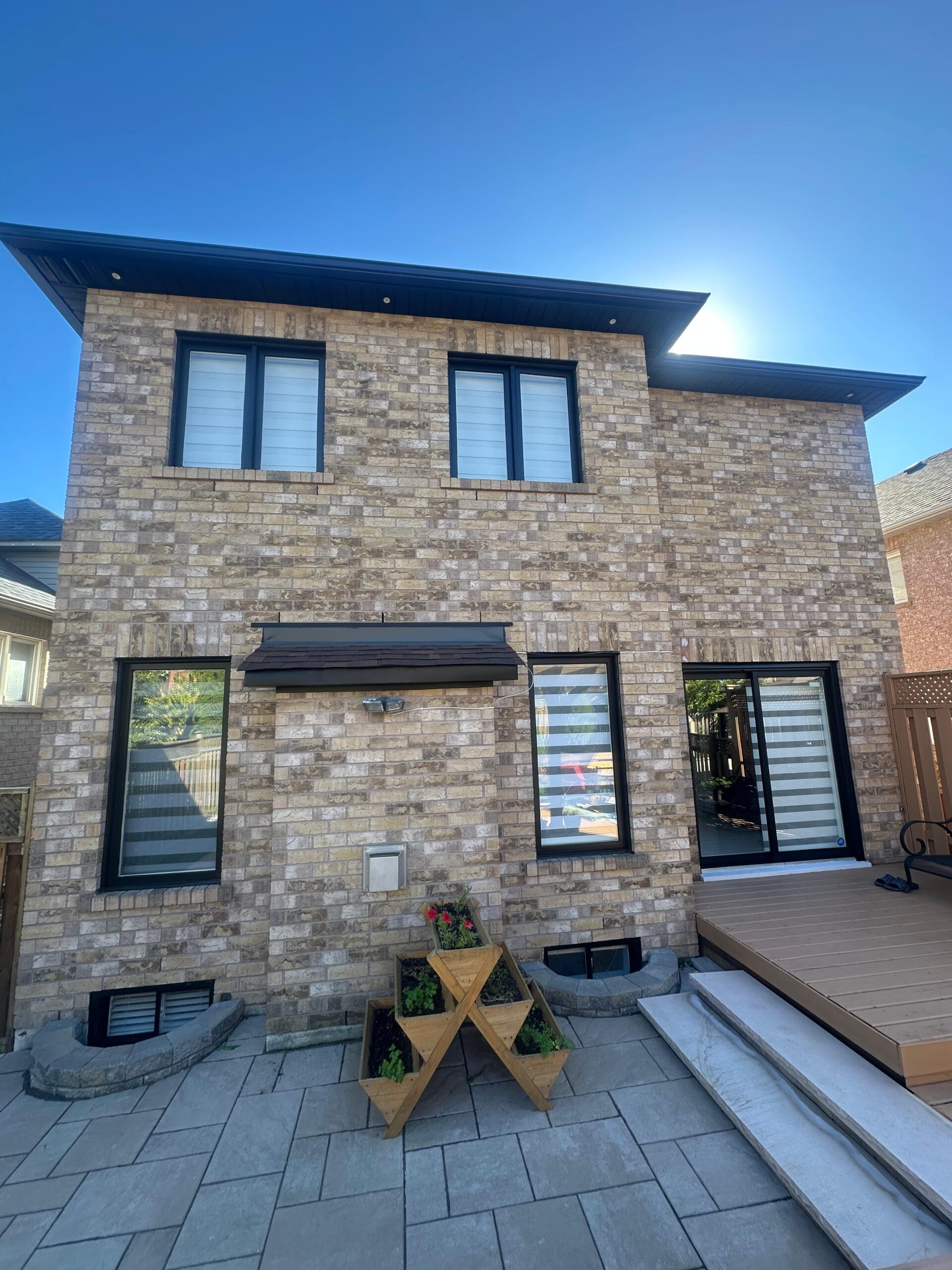
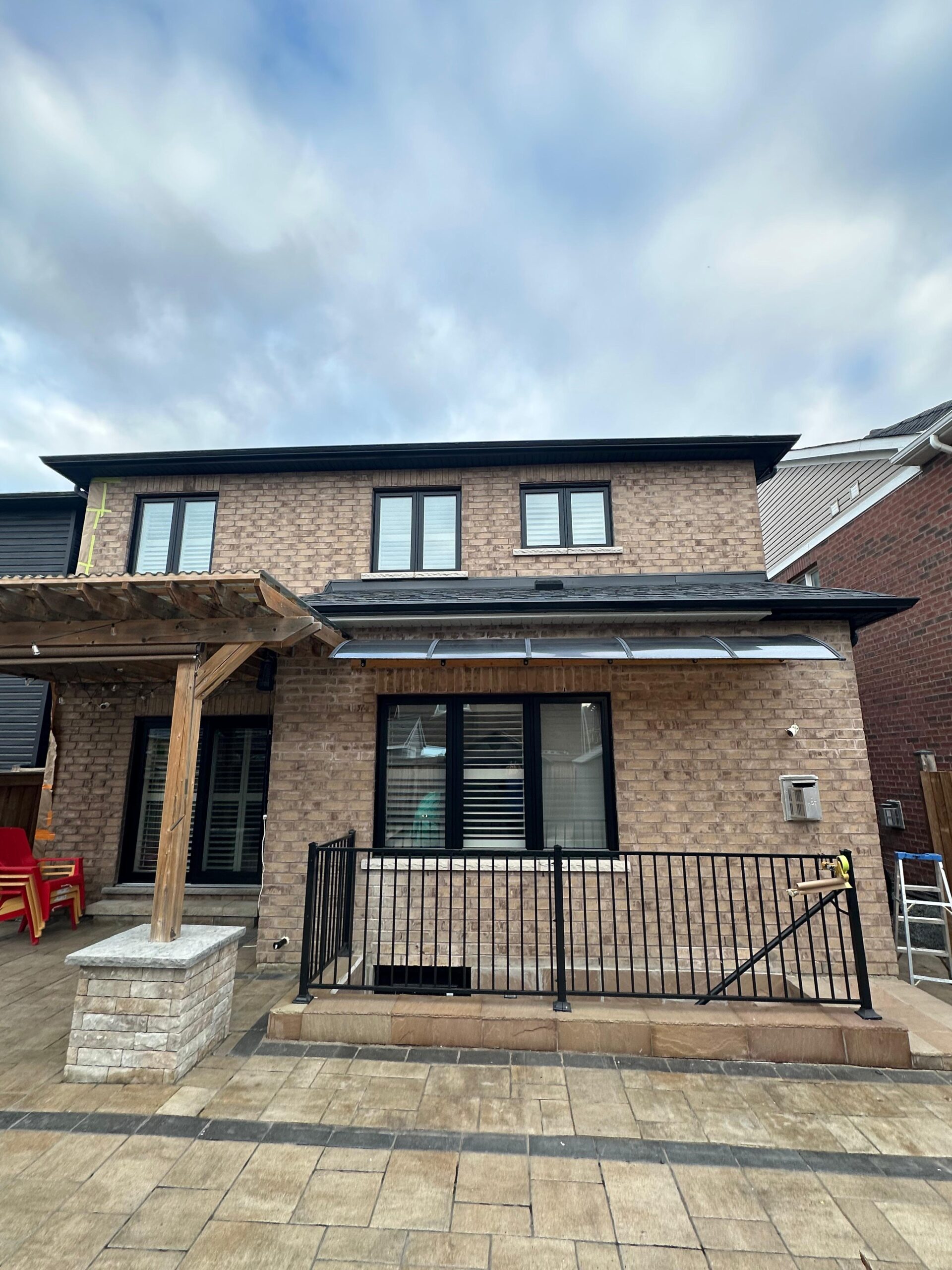
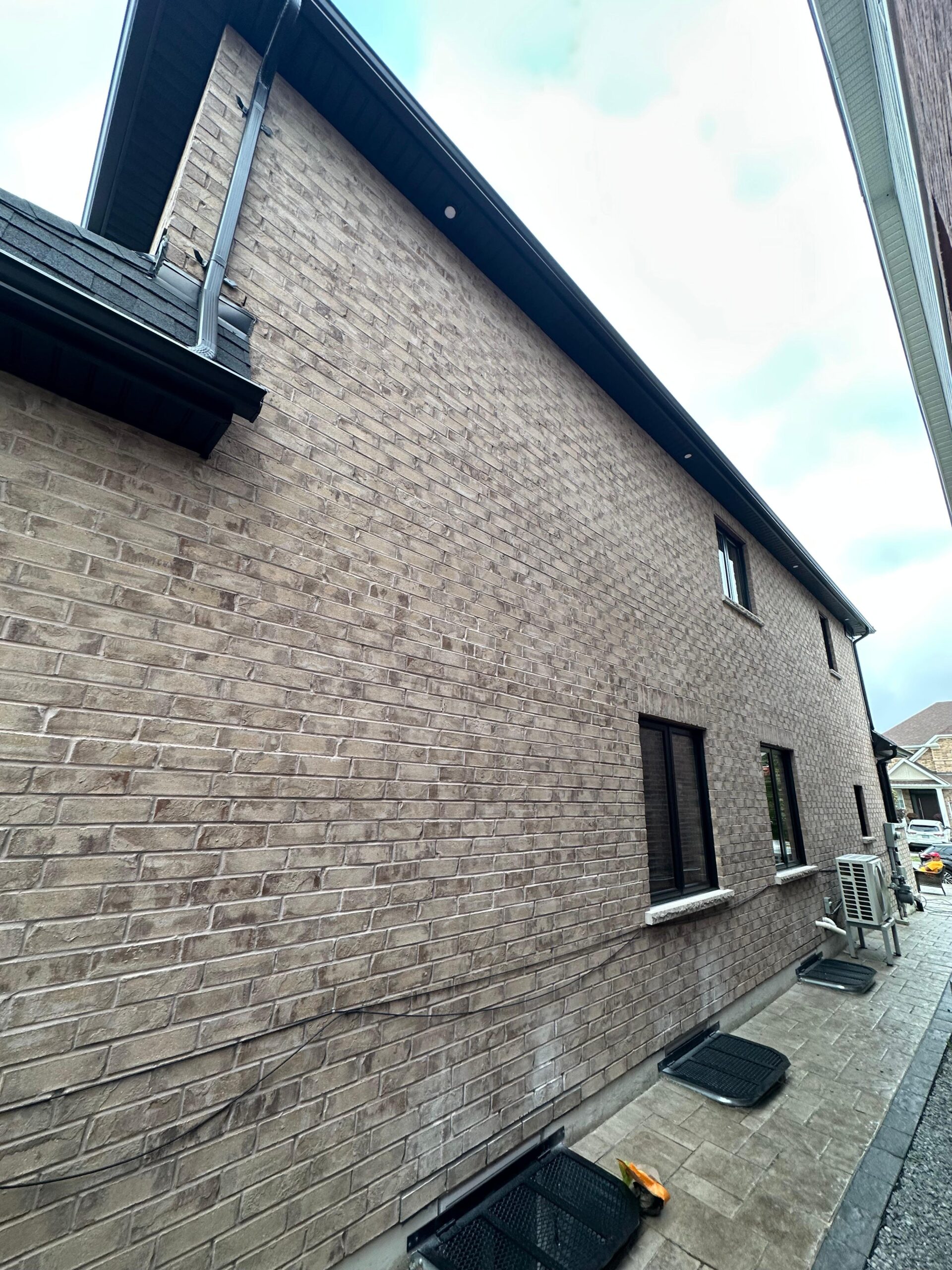
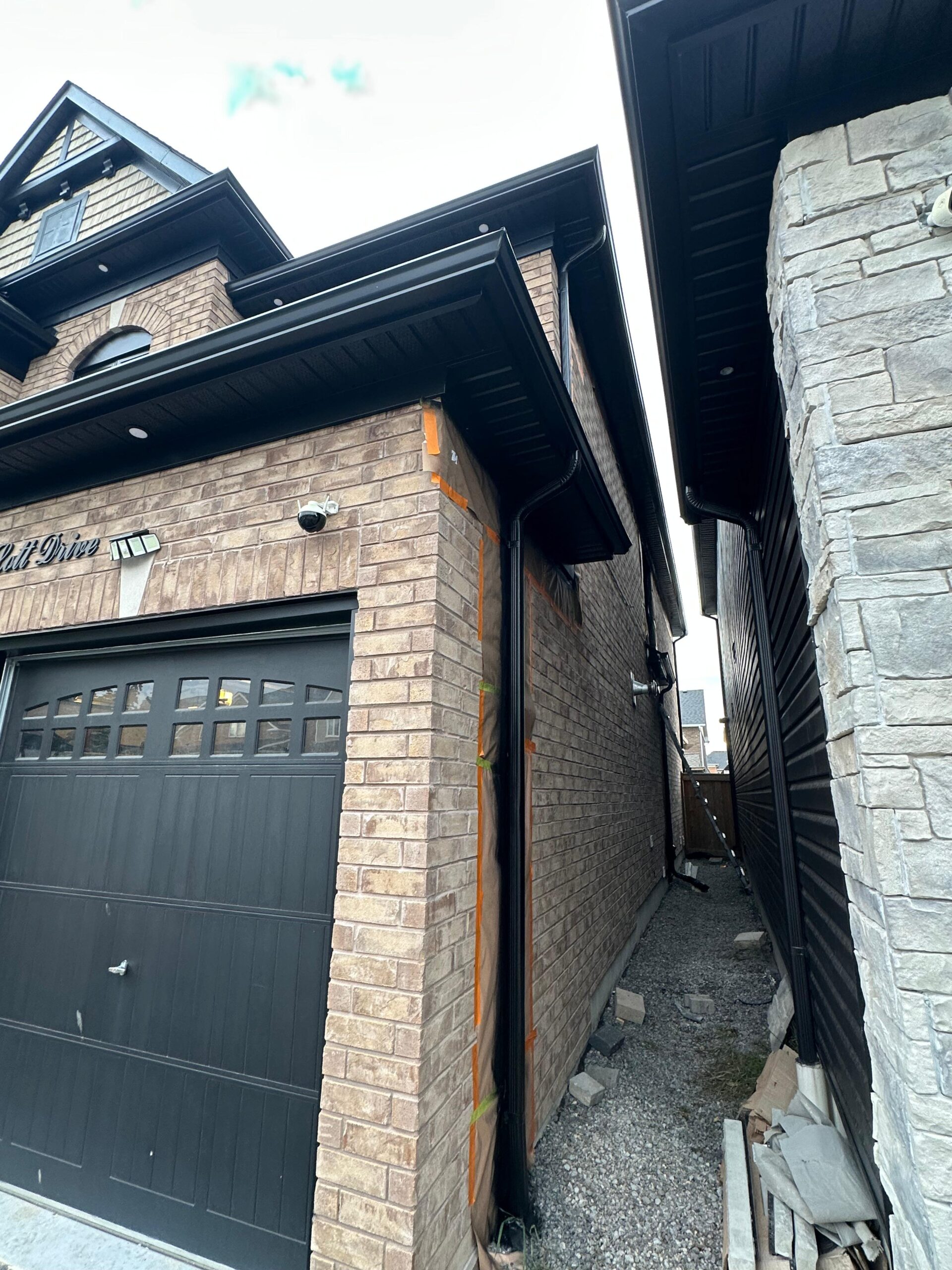
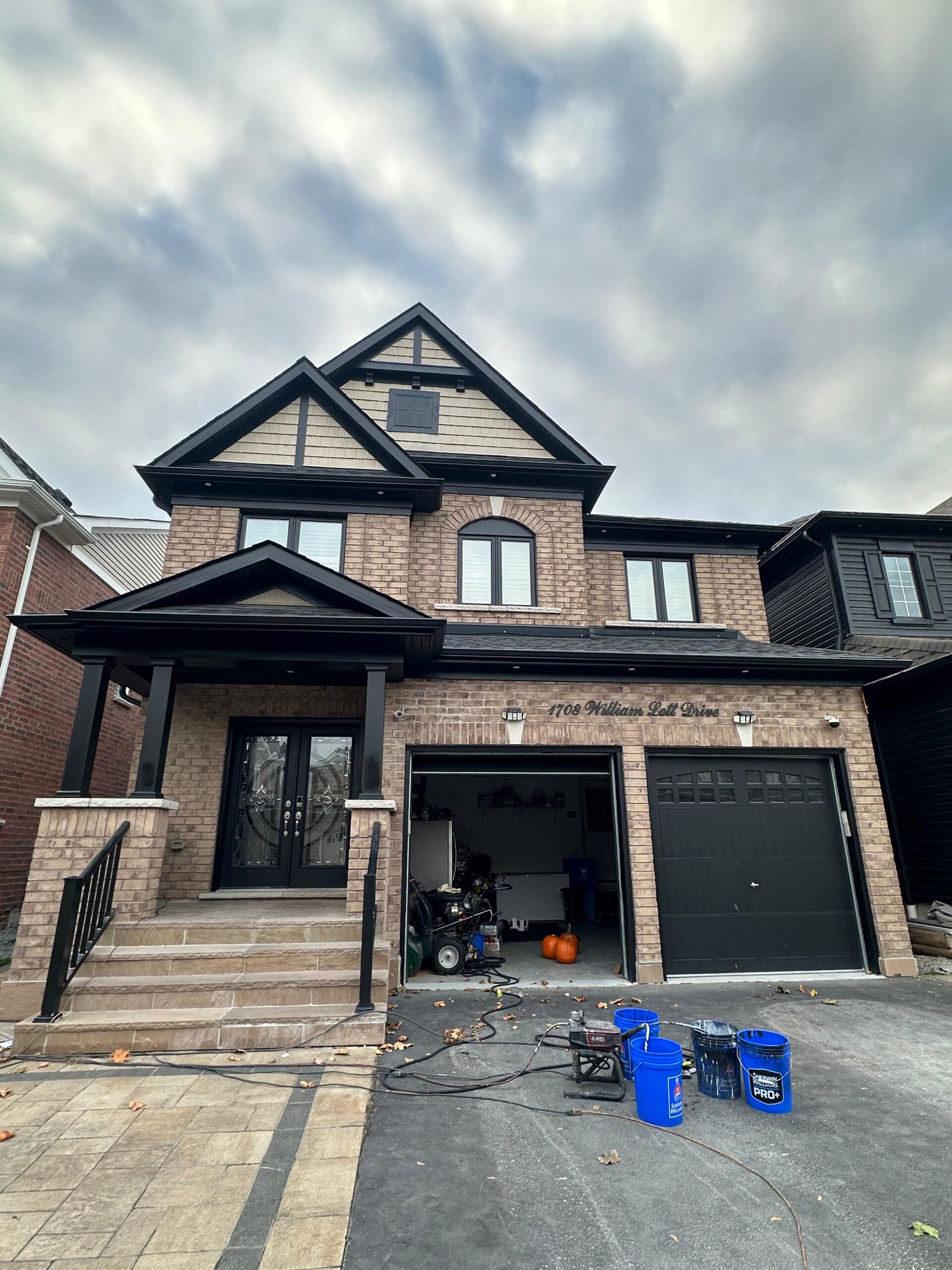
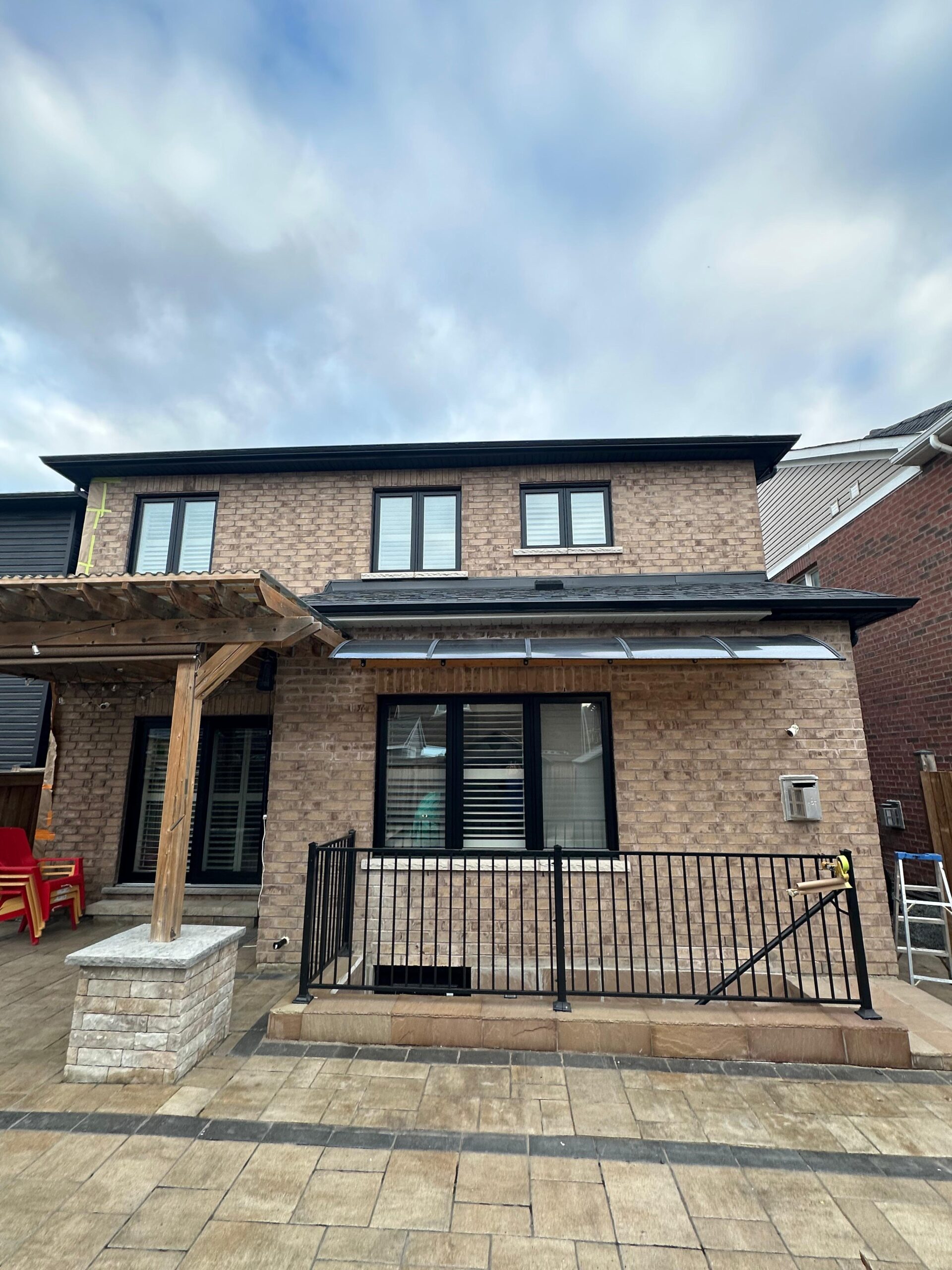
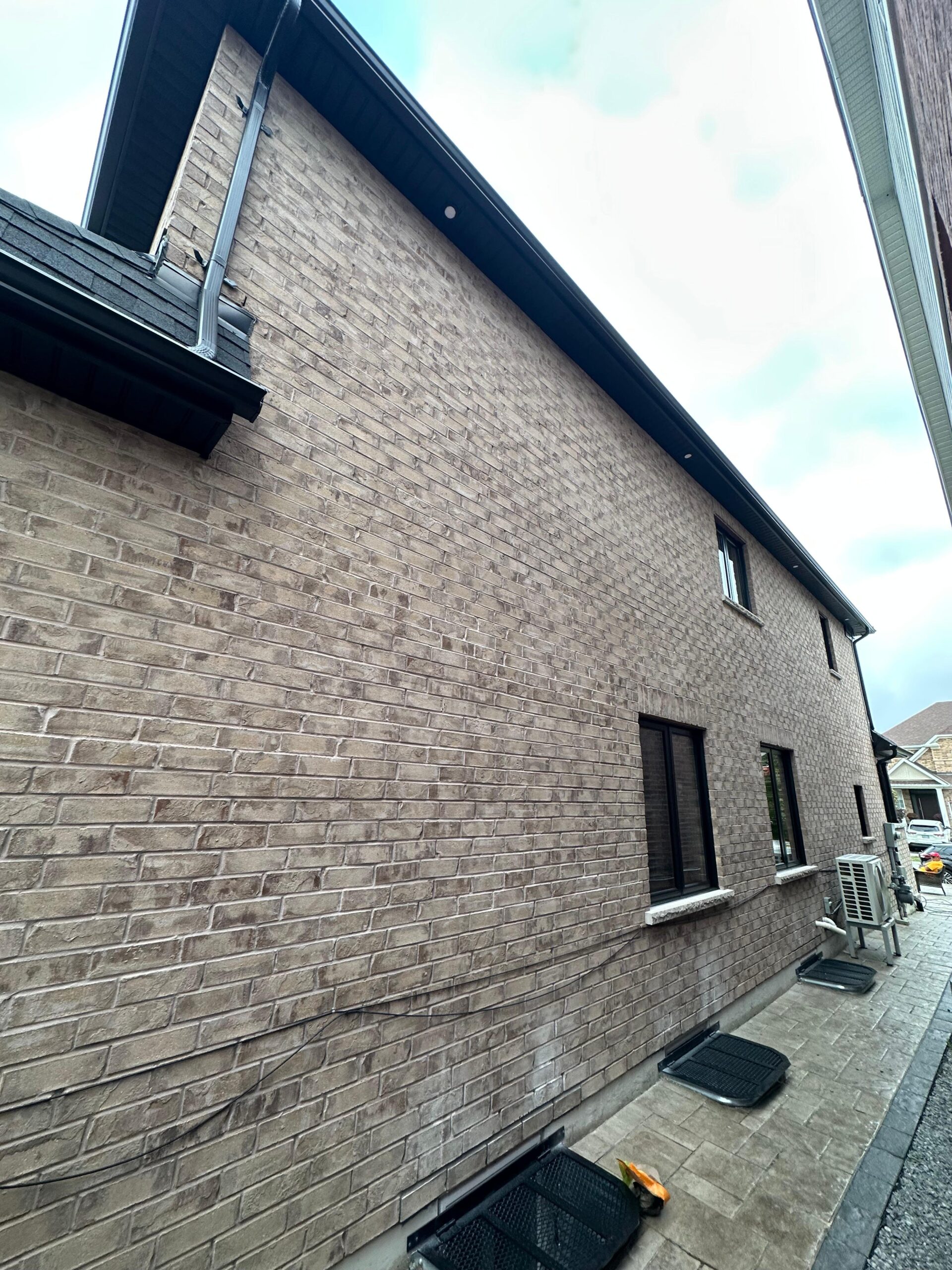
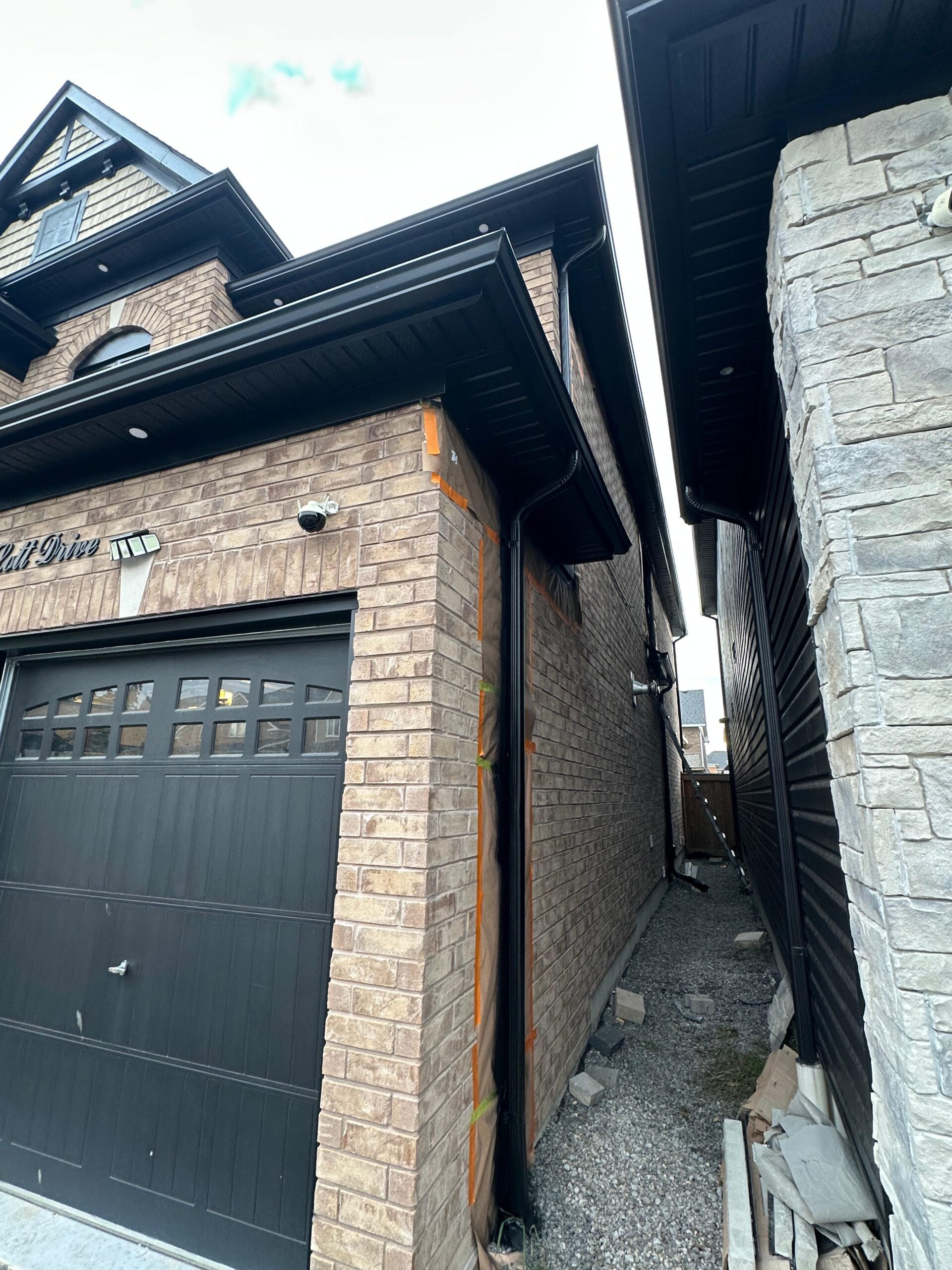
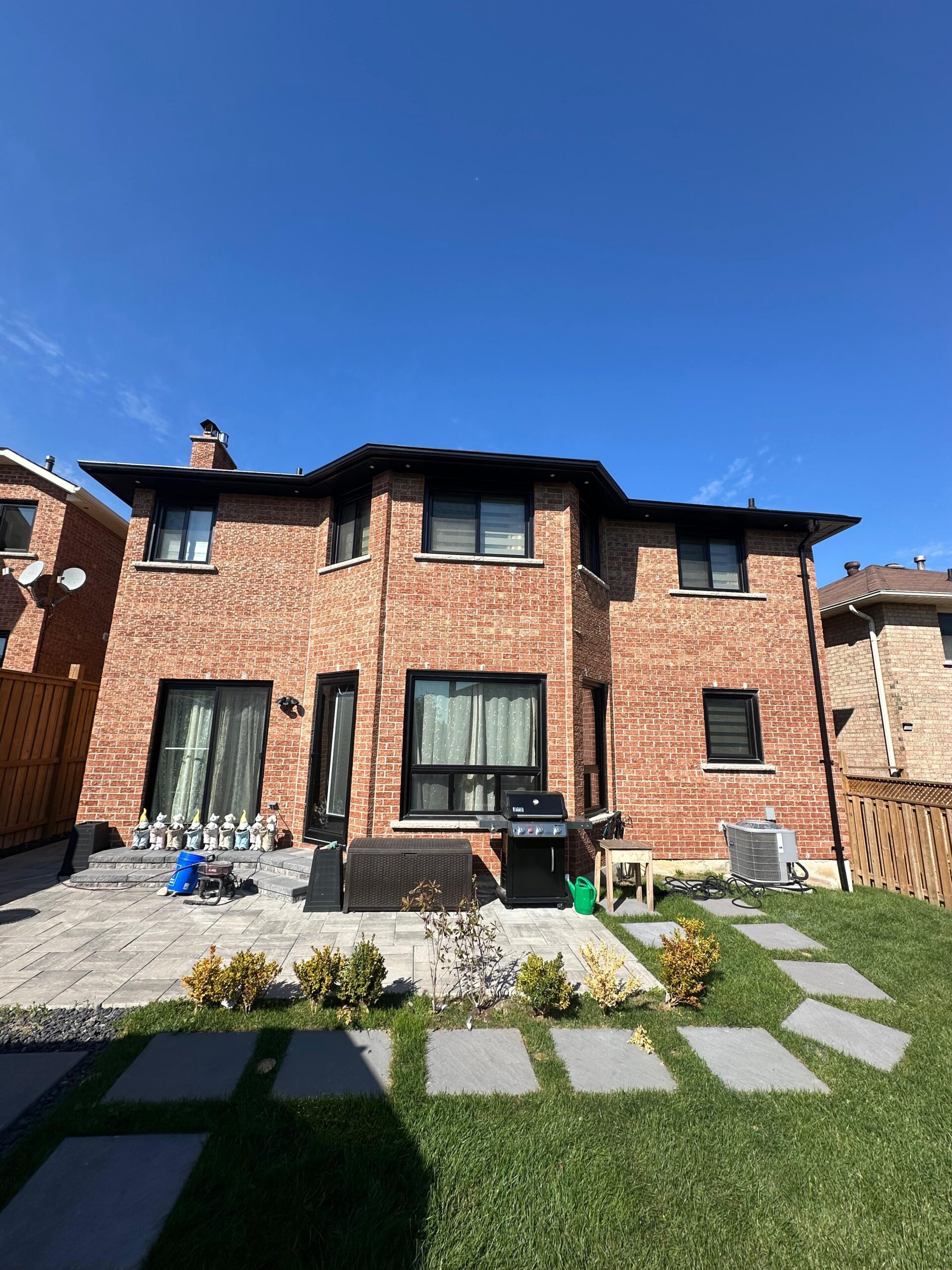
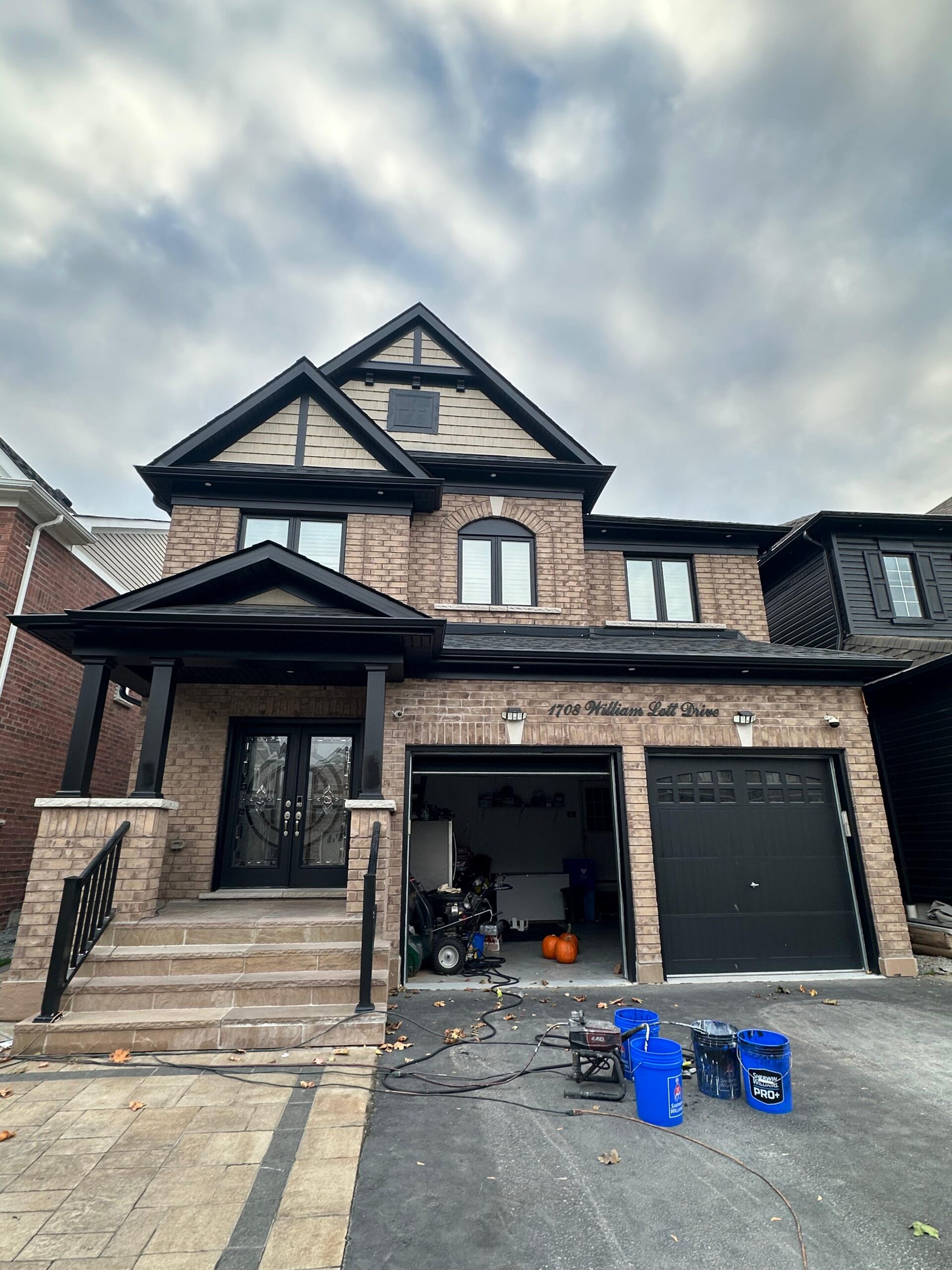
Your home’s appearance plays an important role in curb appeal, comfort, and overall property value. For homeowners in Pickering and Oshawa, professional house painting can provide an effective way to refresh both interior and exterior spaces. From updating outdated colours to protecting outdoor surfaces from changing weather conditions, quality painting services can make a noticeable difference.
El Royale Painting provides professional home painting services designed around the needs of local homeowners. Whether you are planning a complete home makeover or need to refresh specific areas, experienced painters can help you achieve a clean, consistent, and attractive finish.
This guide breaks down everything you need to know — from preparation to finishing — based on real, on-site experience with homes in these exact regions.
Exterior Painting for Pickering-Oshawa Homes
A home’s exterior is exposed to sunlight, rain, wind, moisture, and seasonal temperature changes throughout the year. Over time, these conditions can cause paint to fade, peel, crack, or lose its original appearance. Professional exterior painting can help restore the look of your home while providing an additional layer of protection for suitable exterior surfaces.
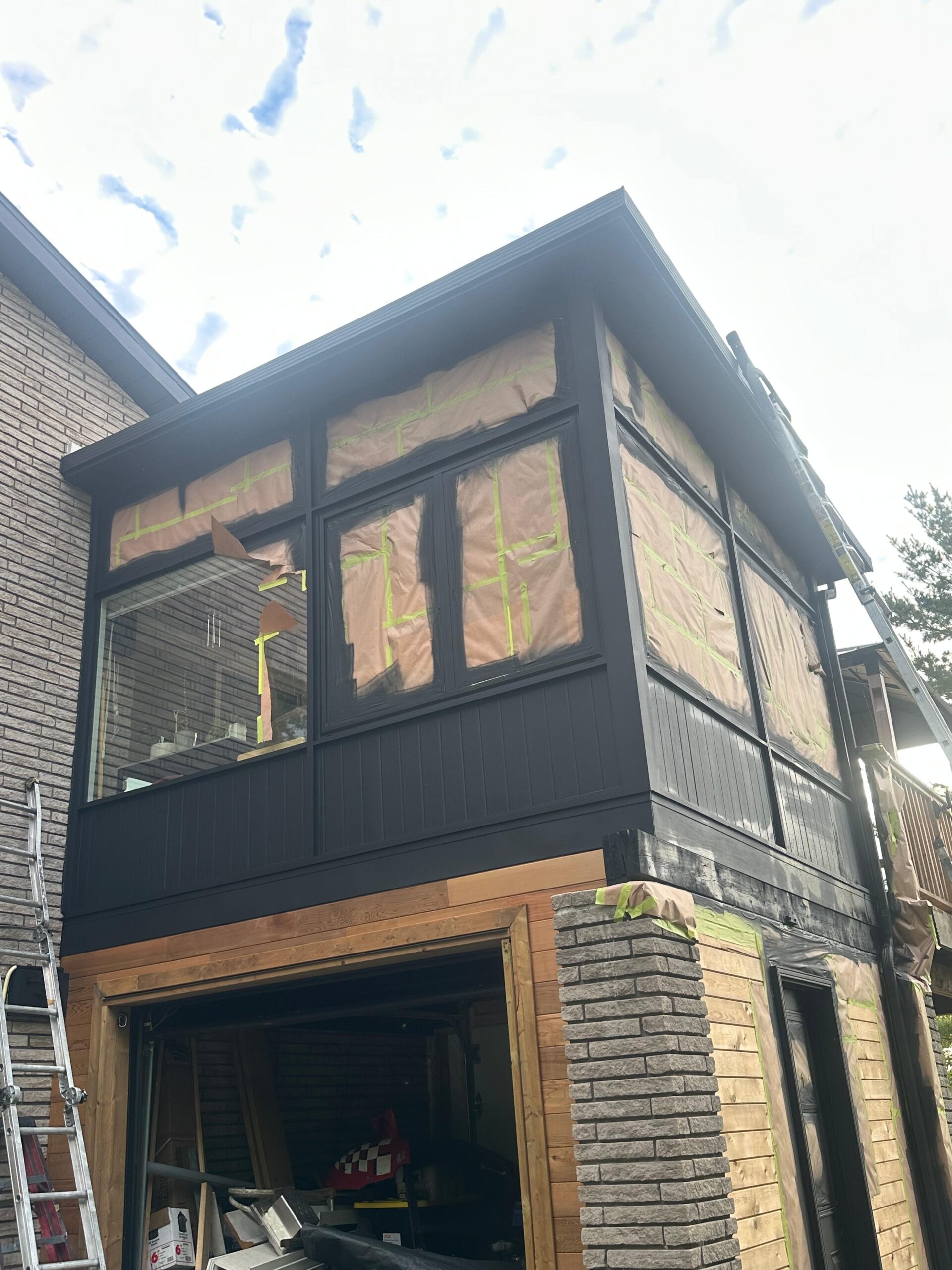
Before painting begins, proper preparation is essential. Surfaces may need to be cleaned, scraped, sanded, repaired, or primed depending on their condition. Addressing these issues before applying paint helps create better adhesion and a smoother final finish.
Choosing the Right Exterior Colours and Finishes
Selecting an exterior colour involves more than choosing a shade you like. The architectural style of your home, existing materials, roof colour, trim, doors, and surrounding landscape can all influence the final result. A professional painting team can help homeowners consider colour combinations that create a balanced and attractive appearance.
A quality exterior project may include siding, trim, doors, window surrounds, fascia, and other suitable surfaces. With careful preparation and application, a fresh coat of paint can give a Pickering-Oshawa property a noticeably updated appearance.
Home Painting Services Designed Near Your Property
Interior painting can transform the atmosphere of your home without requiring major renovations. Fresh paint can make rooms feel cleaner, brighter, and more modern while allowing homeowners to express their personal style.
Professional home painting services may include bedrooms, living rooms, kitchens, hallways, ceilings, doors, trim, and other interior areas. Before painting, surfaces should be inspected and prepared to ensure imperfections are addressed as much as possible.
For homeowners researching house painting Oshawa, choosing an experienced painting company can make the project easier from preparation through final cleanup. Professional painters understand the importance of protecting floors, furniture, fixtures, and surrounding areas while maintaining neat lines and consistent coverage.
.
Choose Trusted Painting Service
If you are planning house painting Oshawa, updating your Pickering property, or looking for reliable painting services in the surrounding area, El Royale Painting is ready to help. From professional exterior painting to detailed interior updates, the team provides home painting services designed to give your property a fresh, clean, and professional appearance.
Contact El Royale Painting today to discuss your painting project and discover how professional house painting can refresh your Pickering-Oshawa home.