
When investing in house painting services, choosing the right paint and preparing the surface properly are essential for a smooth, durable finish. One common problem homeowners may notice after an exterior project is paint blistering. Blisters appear as bubbles or raised areas beneath the paint, and they can eventually crack, peel, or expose the surface underneath.
For homeowners considering interior and exterior painting in Montreal, understanding why blistering happens can help prevent unnecessary repairs. Whether you are refreshing an older property or planning a complete exterior update, proper preparation, application, and weather conditions all play an important role in achieving long-lasting results.
What Causes Exterior Paint to Blister?
Paint blistering generally occurs when moisture, heat, or poor surface preparation causes the paint film to lose its adhesion. When moisture becomes trapped underneath the paint, it can push the coating away from the surface and create visible bubbles.
Moisture and Humidity
Moisture is one of the most common causes of exterior paint blistering. Rain, condensation, damp siding, or moisture trapped inside wood can prevent paint from bonding properly. Painting a surface before it has completely dried may leave moisture underneath the coating.
Montreal’s changing weather conditions make moisture management particularly important. A professional painting team can inspect the surface before beginning the project and identify areas where water may be entering or becoming trapped.
Painting in Excessive Heat
High temperatures can also contribute to blistering. When exterior surfaces become extremely hot, paint may dry too quickly on the outside while the underlying coating is still curing. This can interfere with proper adhesion.
Following the manufacturer’s recommended application conditions is important when using exterior coatings, including Behr exterior paint. Professional exterior house painting services should take temperature, sunlight, humidity, and weather forecasts into consideration before applying paint.
How to Prevent Paint Blistering
Preventing blistering starts long before the first coat of paint is applied. A properly prepared surface gives exterior paint a stronger foundation and reduces the likelihood of premature peeling or bubbling.
The first step is thorough cleaning. Dirt, dust, mildew, grease, and other contaminants can interfere with adhesion. Depending on the material and condition of the surface, cleaning may involve washing, scraping, sanding, or other preparation techniques.
Any loose or damaged paint should also be removed. Simply painting over peeling areas can trap problems underneath the new coating. Cracks, holes, damaged caulking, and areas affected by moisture should be addressed before painting.
Another important step is allowing the surface to dry completely. Even high-quality paint cannot perform properly when applied over damp materials. This is particularly important after washing the exterior or following periods of rain.
Proper primer selection can also make a difference. Certain surfaces require a suitable primer to improve adhesion and create a consistent base for the finish coats. Your painting professional can determine which preparation products are appropriate for the specific exterior material.
Choose the Right Time for Exterior Painting
Weather conditions should always be considered when planning an exterior painting project. Extremely hot, cold, humid, or wet conditions can affect drying and curing.
For Montreal homeowners searching for exterior home painting near me, choosing an experienced local contractor can make the process easier. A professional team understands that exterior painting is not simply about applying color—it also requires planning around local weather conditions and the condition of the property.
It is also important to follow the paint manufacturer’s instructions regarding application temperatures, drying times, and surface preparation. These recommendations help the coating develop proper adhesion and durability.
Professional Exterior Painting in Montreal
While homeowners can handle small painting projects themselves, larger exterior projects require careful preparation and consistent application. Professional exterior house painters near me can evaluate siding, trim, doors, windows, and other surfaces before work begins.
Professional house painting services can also help identify problems that may contribute to blistering, including damaged wood, deteriorated caulking, or moisture intrusion. Addressing these issues before painting can help protect the new finish and improve the overall appearance of your home.
For homeowners planning interior and exterior painting, coordinating both projects can also create a more consistent look throughout the property. Interior spaces can be refreshed while exterior surfaces receive the protection they need against changing weather conditions.
Conclusion: Protect Your Home With Professional Painting
Preventing paint blistering requires more than selecting a quality exterior paint. Proper cleaning, surface preparation, moisture control, suitable weather conditions, and correct application techniques all contribute to a lasting finish.
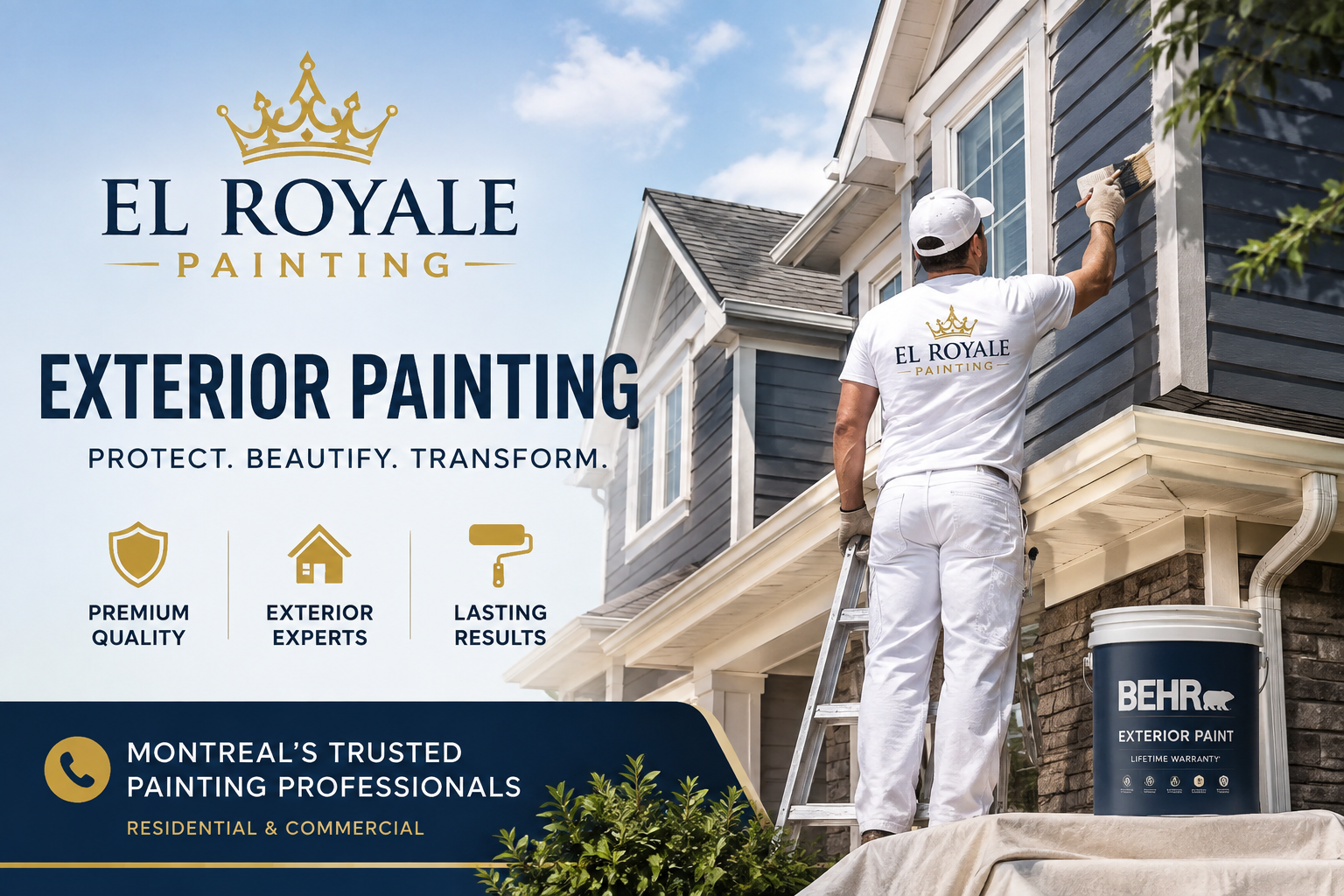
If you are planning an exterior refresh or searching for reliable exterior house painting services in Montreal, El Royale Painting can help you approach the project with professional preparation and attention to detail. From exterior updates to complete house painting services, El Royale Painting is ready to help Montreal homeowners improve and protect their properties.
Protect Your House Inside and Out
Your home’s protection does not stop at its exterior walls. After taking care of your painting needs, reliable appliance maintenance can also help keep your home comfortable and functional. For appliance repairs, including refrigerators, washers, dryers, dishwashers, and other major appliances, turn to APPRO Appliance Services for professional assistance.