
Barrie-Port Carling
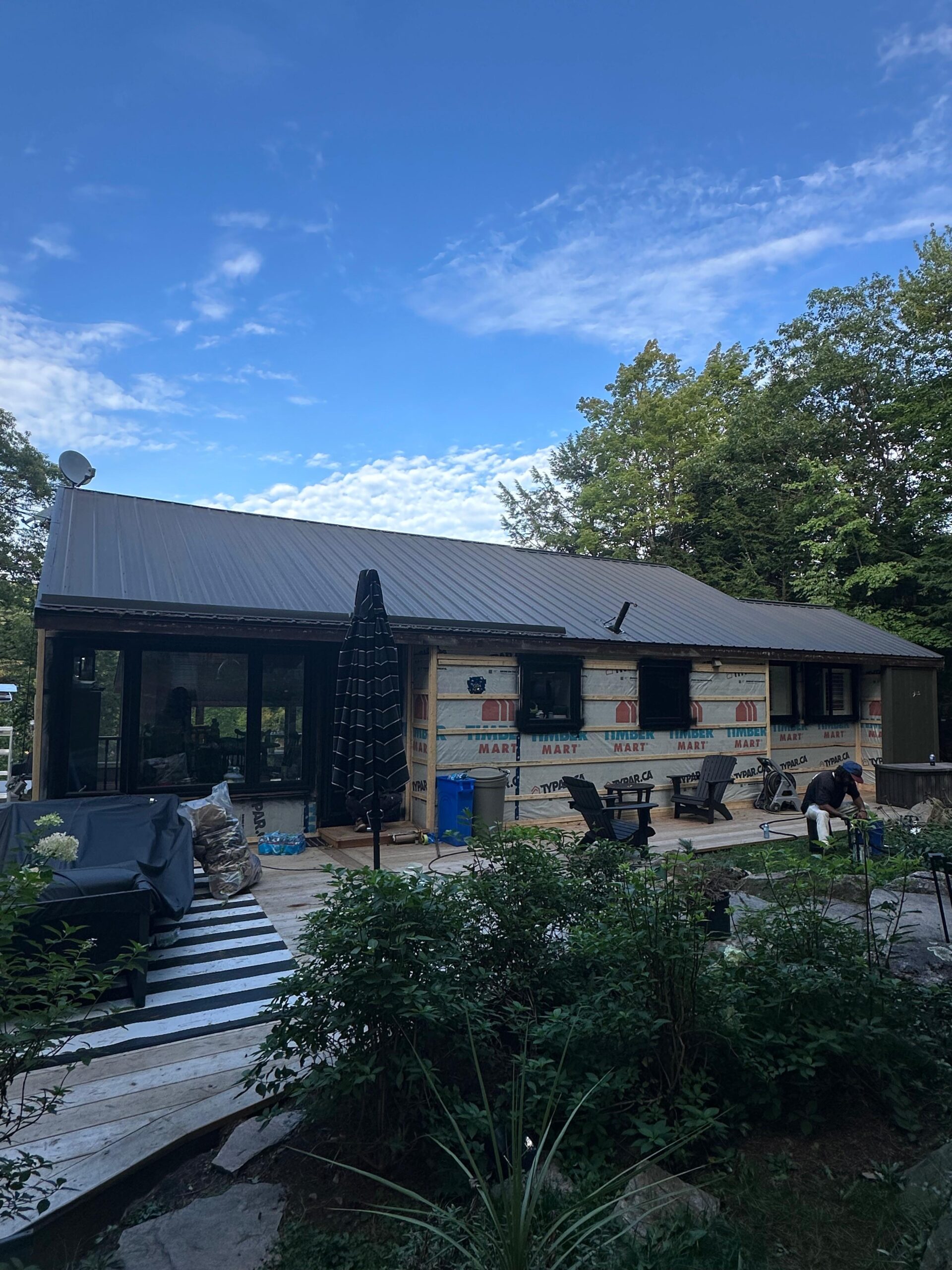
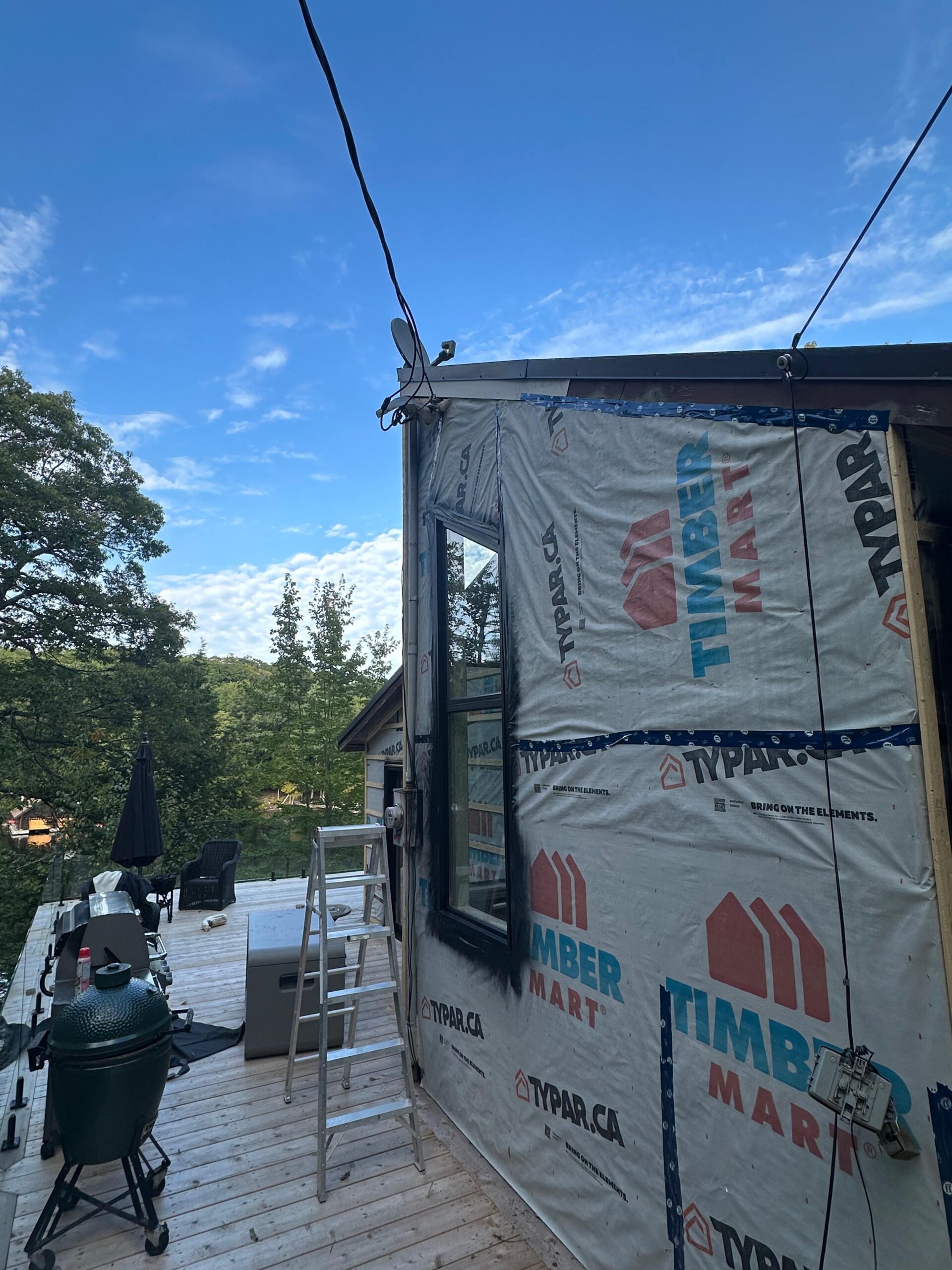
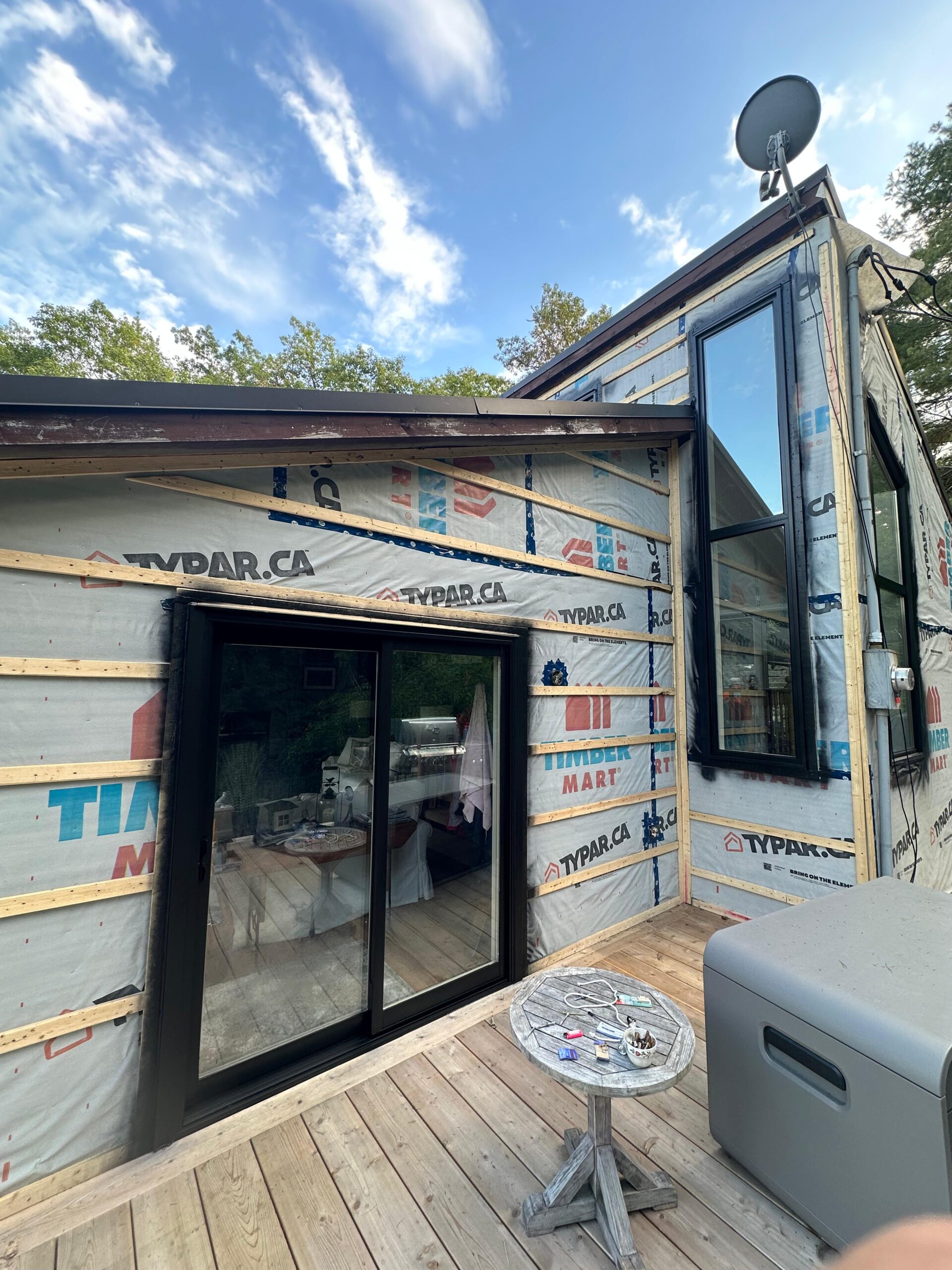
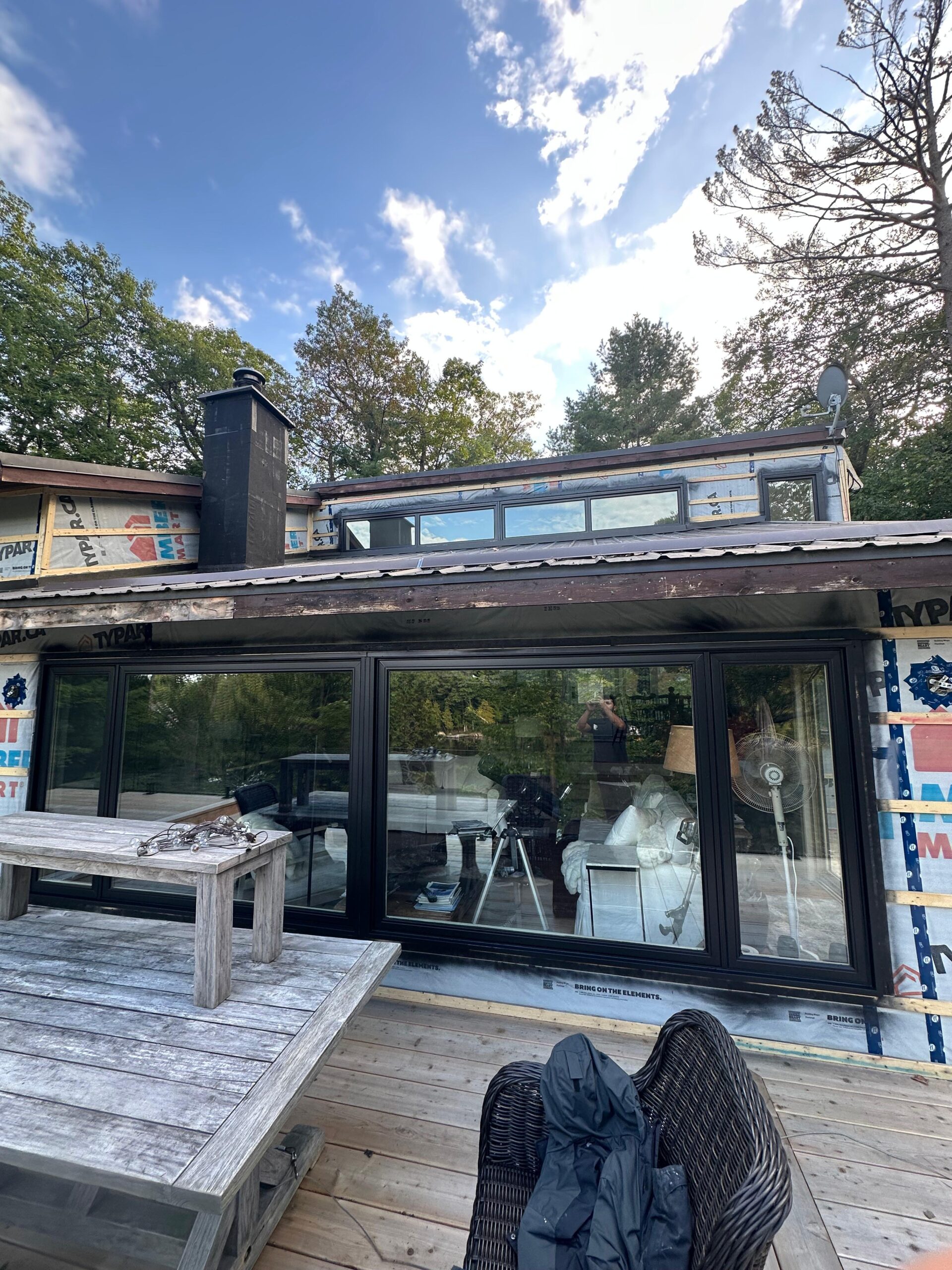
Working on interior painting projects across Barrie and Port Carling has its own set of challenges. Homes in these areas are not identical—some are modern builds, while others are older cottages or lake houses. That variation directly affects how houses painted projects should be approached.
From hands-on experience at Elroyale, I can say this clearly: there is no “one method fits all” in interior painting. The condition of the walls, humidity levels, lighting, and even how the house was previously maintained all play a role in how successful your houses painted project will be.
This article is based on actual work done in Barrie-Port Carling areas—real problems, real fixes, and what consistently works when handling interior painting in these homes.
Interior Painting Workflow Used in Barrie-Port Carling Houses Painted Projects
In interior painting, structure is everything. If you don’t follow a process, results become unpredictable. Across multiple houses painted in Barrie and Port Carling, we’ve refined a workflow that ensures consistent results regardless of home type.
Every interior painting job starts with a full inspection.
We check:
-
Wall condition (cracks, dents, uneven surfaces)
-
Signs of moisture or stains
-
Previous paint quality
-
Texture differences
In many Barrie-Port Carling houses painted, especially near waterfront areas, moisture is a hidden issue. If you ignore it, your interior painting will fail within months.
Surface Preparation: The Most Critical Step
Preparation determines how your final result will look.
For professional houses painted, we always:
-
Fill holes and cracks
-
Sand all patched areas
-
Remove dust completely
-
Spot-prime or full-prime surfaces
In reality, about 60–70% of interior painting time is spent here. Skipping prep is the main reason why many houses painted look uneven or start peeling early.
Priming for Stability
Primer is essential in interior painting, especially in older homes.
In Barrie-Port Carling houses painted, primer helps with:
-
Blocking stains
-
Equalizing surface absorption
-
Improving adhesion
Without primer, you’ll notice patchy results in your interior painting, especially under natural light.
Paint Application Techniques
Once prep is complete, application begins—but this is where technique matters most.
In professional interior painting, we always:
-
Cut edges first (ceilings, corners, trims)
-
Use controlled rolling patterns
-
Maintain even pressure
Poor technique is easy to spot in houses painted:
-
Uneven edges
-
Roller streaks
-
Paint buildup
Good technique makes walls look consistent from every angle.
Multiple Coats for Proper Coverage
Most interior painting projects require at least two coats.
In many houses painted, especially when changing from dark to light colors, we apply:
-
2 full coats minimum
-
3rd coat if needed for consistency
One coat might look fine at first, but under lighting, flaws become obvious in poorly done houses painted.